Electric or Gas? /  by Josh Brincko

You have probably heard in the news that some cities are banning the use of natural gas for our buildings. This is not entirely true, but the basic idea is to eventually phase out the use of natural gas as a source of energy.

This is very interesting in the context of the Washington State Energy Code which governs the design and construction standards that relate to energy efficiency. In that code, architects are required to design certain features which earn a certain amount of energy credits. Depending on the size of the project, there are a certain number of points (known as credits) that must be earned within different predetermined categories.

For example, you can earn a couple points for using a heat pump, a half point for certain efficient appliances, and you can even lose points for using certain systems.

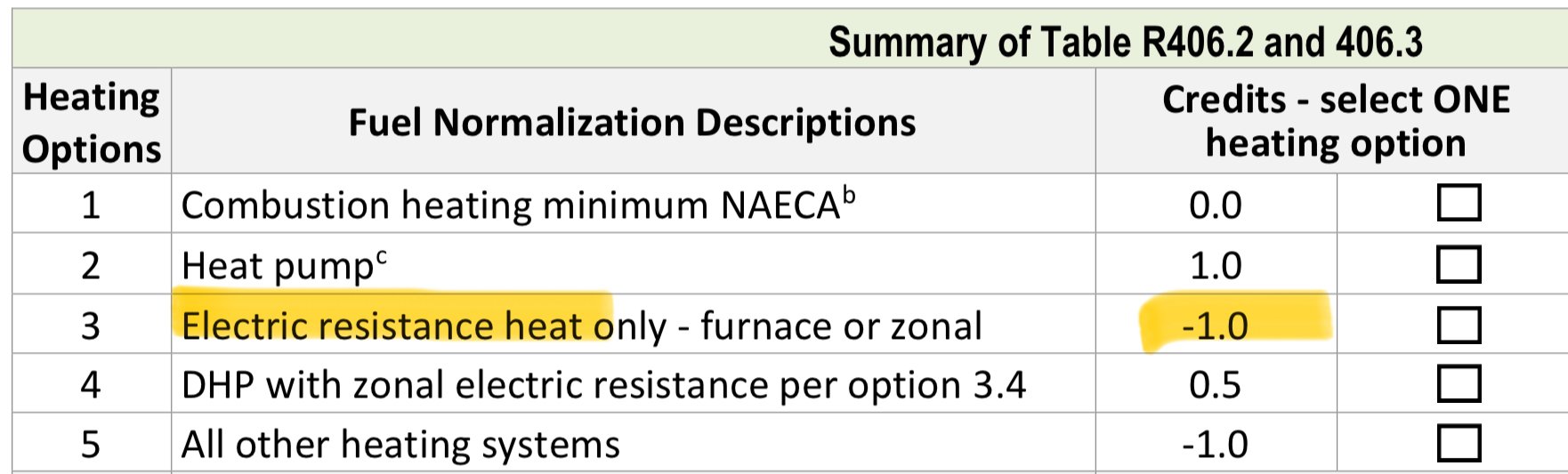
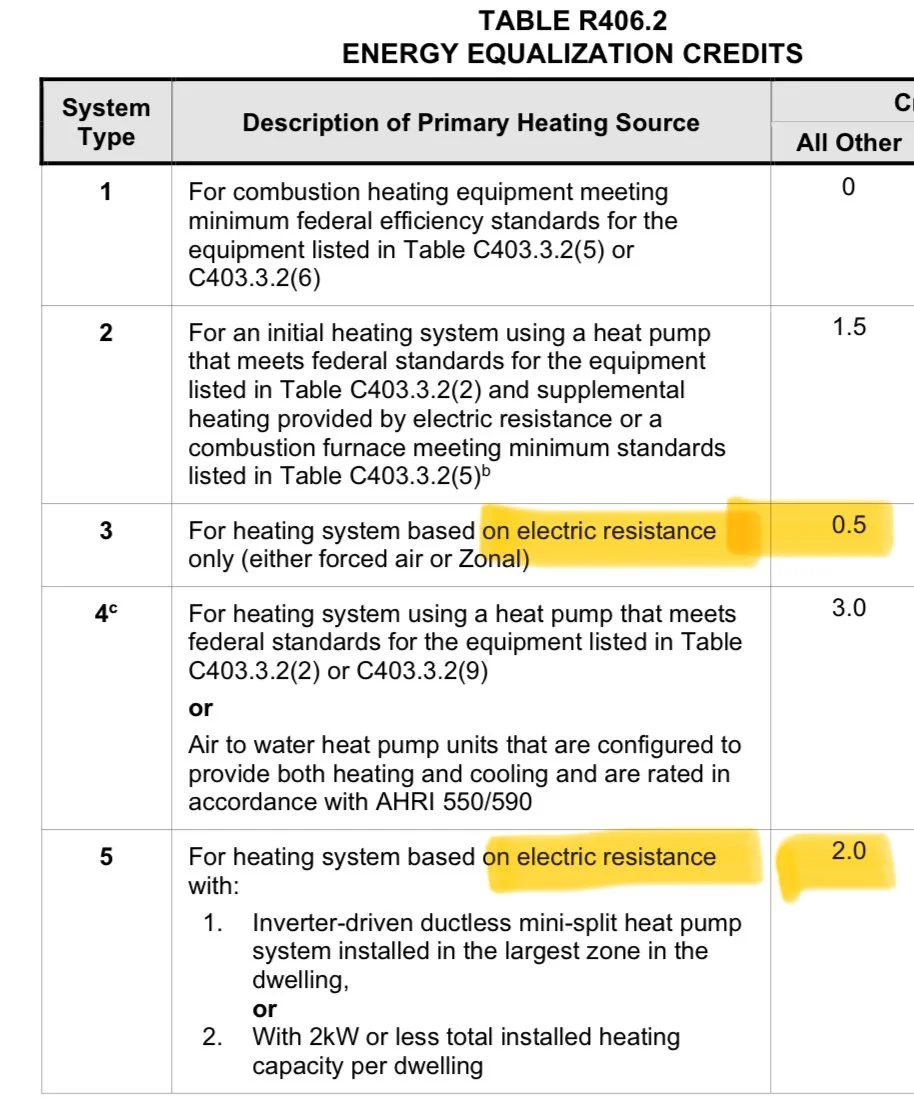
Specifically, the last version of the code basically banned the use of electric resistance heating. You actually lost points for using that form of electrical heating. Overnight, the code was changed, and the new version now incentivizes architects for actually using that form of electrical heating. One day you would lose points for electric heating, and the next day you earn points for the same thing! What gives?!?

This exemplifies just how ill-informed the codes are that govern what we design and build. How could they be so certain that something is so bad that you lose points and then quickly awarding points for the same thing? This is because legislators don’t really know what they are doing. They don’t think of the big picture, and they don’t empower licensed architects to make educated selections based on the actual situation that would make most sense. Instead, they empower themselves. Someone must have voted for them!

For example, if you have a project where there’s already natural gas that effectively heats the home with a new efficient furnace, then it would make a lot of sense to continue to use that method. If you have a project where the electrical service in the neighborhood does not enable the homeowners to upgrade their amperage to each home, then it makes sense to avoid using more electrical appliances that would put more strain on the electrical grid.

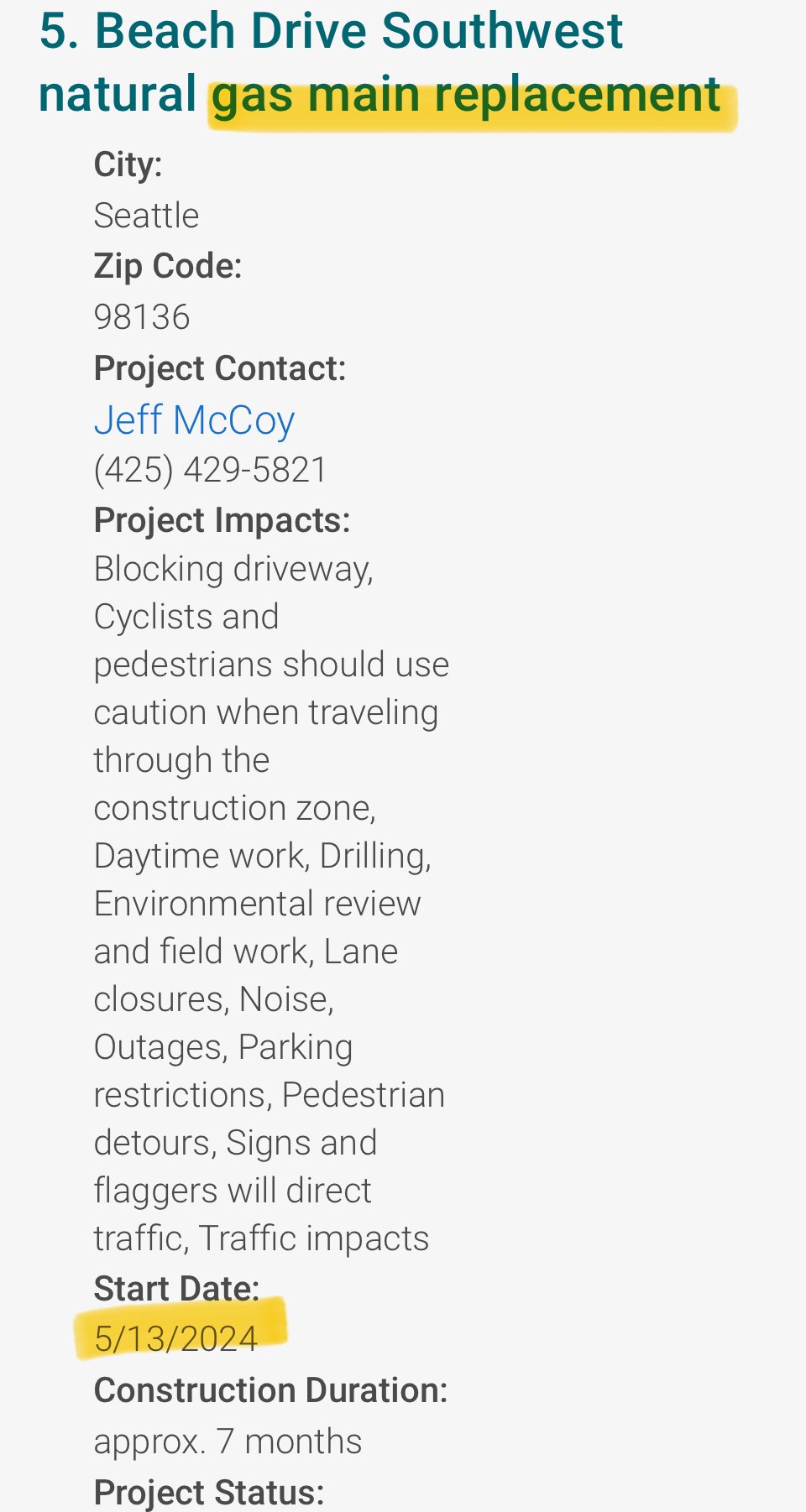
As the government vilifies the use of natural gas, they are still upgrading gas lines in neighborhoods - including my own as shown in the announcement below. They don’t want us to use gas, so they are upgrading the gas? Interesting.

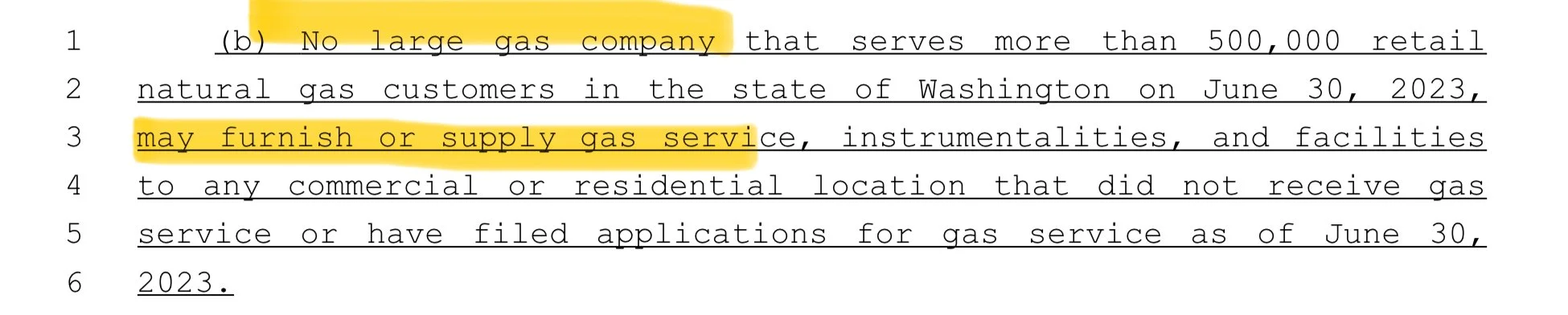
Also, they are making laws that make it illegal to use gas on properties that don’t already have it, but they are ok with continuing to use it elsewhere - and even improve the gas infrastructure. You would think they would want that money spent on improving the electric infrastructure to coincide and support their goals. Nope. It’s completely inconsistent.

I do agree that electric energy is cleaner and is attractive since it keeps combustion and more mechanical parts that require maintenance out of our built environment, but that doesn’t mean it’s the only choice. I believe it should be up to a homeowner to decide how to heat their home and cook their food. If they have access to gas, they should use it if they want. If they have the ability to increase the electrical supply to their home to heat their home with only electricity, then they should do it. People will do what makes the most sense at the right time and right place.

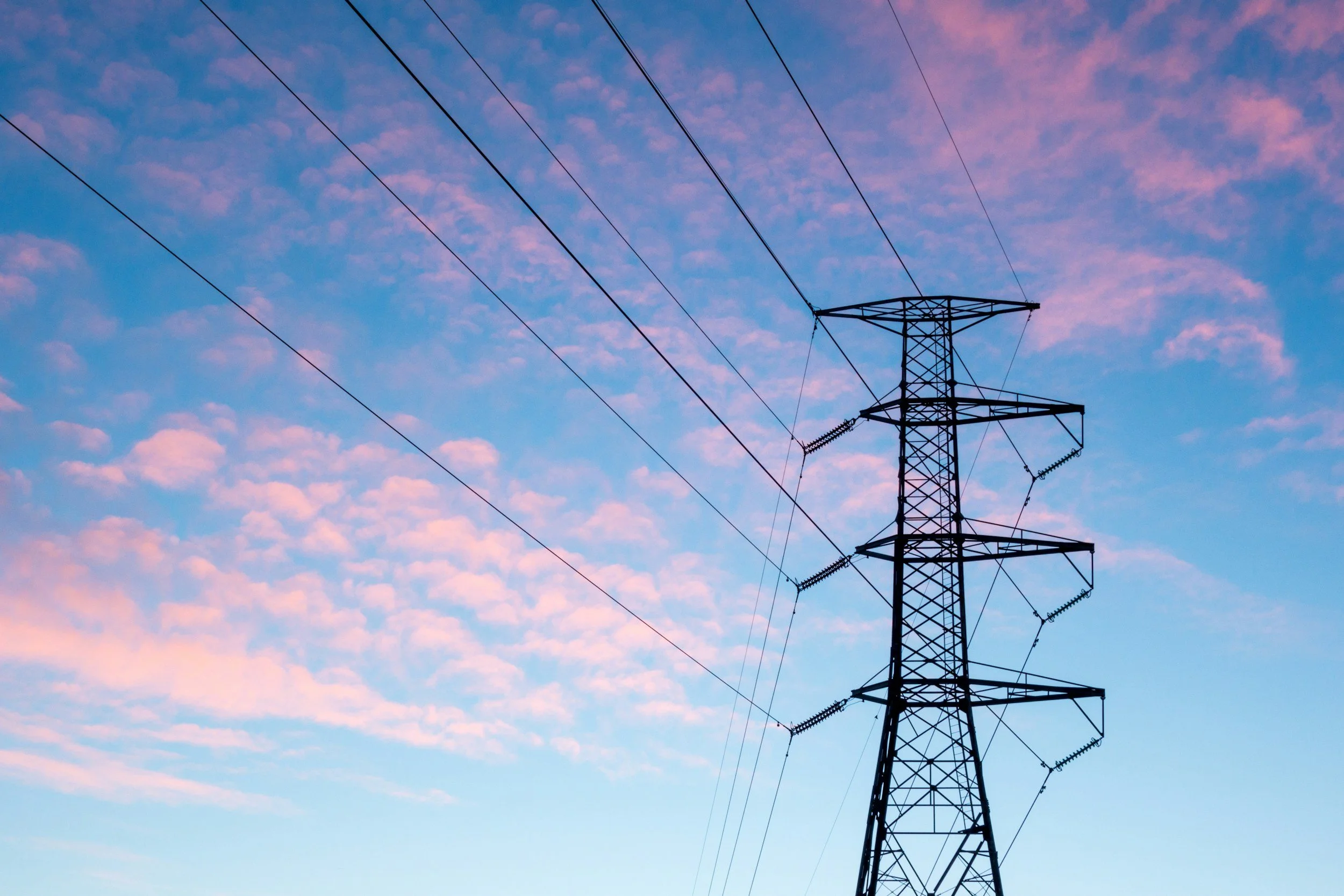
Eventually, electricity will take over, but until that time, we have efficient ways of using gas and should consider to do so where it makes sense. At this time, we simply don’t have the size or amount of electrical lines in our neighborhoods for everyone to heat their homes with electricity. Once that infrastructure is updated, then we should consider making the switch.

Until then, don’t be so “amped” up about making the “switch” until you really know “watt” makes the most sense - or you might get “zapped” with a home that doesn’t have the power it really needs to be fully electrified :)

See below for excerpts from the previous energy code where you lose points for electricity and the current code where you are awarded points for using electricity. Also see the legislation that discontinues the expansion of natural gas and an announcement of gas upgrades in my neighborhood. This defines hypocracy.

If you’d like to learn more about our design process, visit www.josharch.com/process, and if you’d like to get us started on your project with a feasibility report, please visit www.josharch.com/help
Shower Valve Showdown: Thermostatic vs. Pressure Balance /  by Josh Brincko

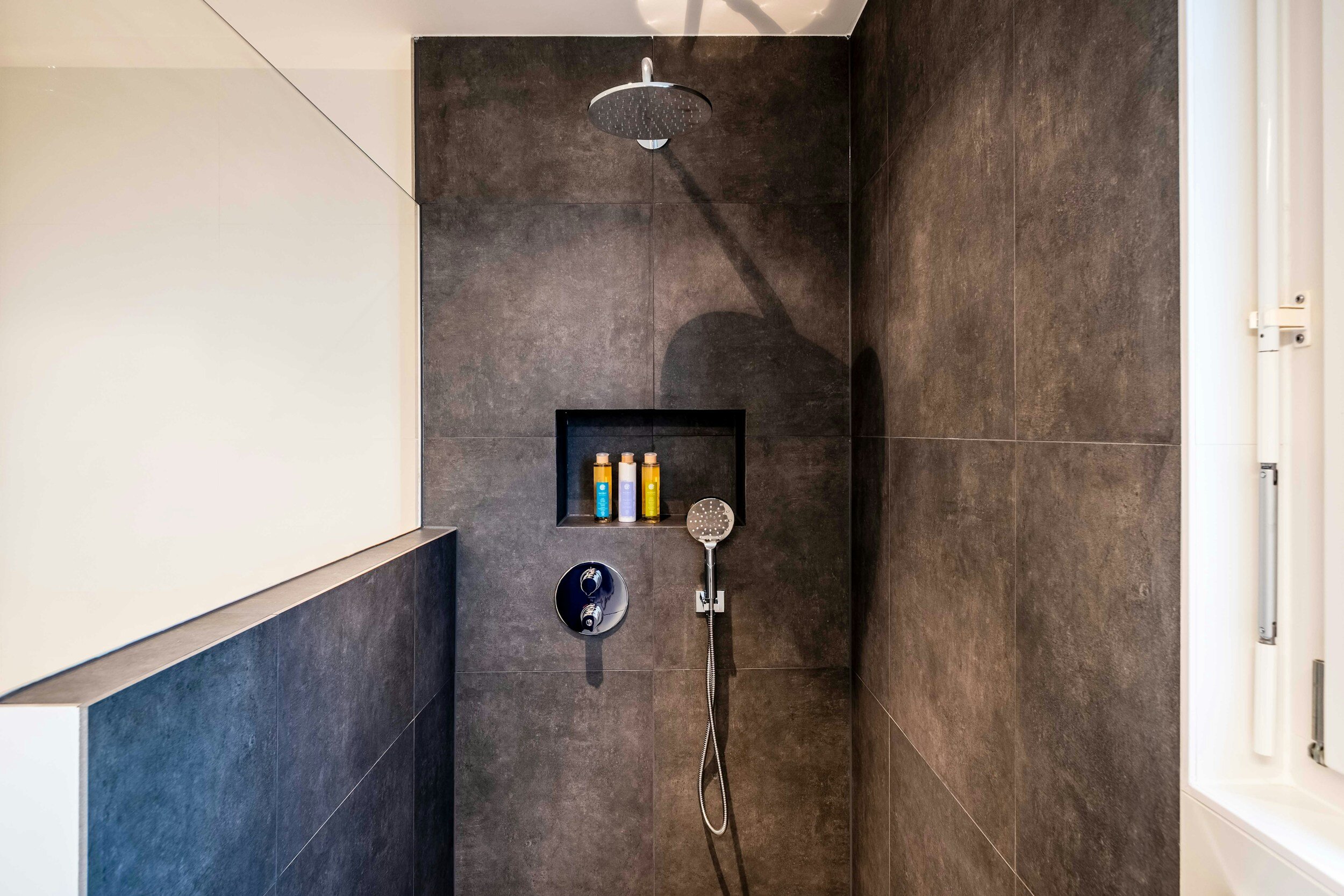
When you want a shower, you want good pressure, and you want warm water - not too hot, and not too cold. There’s two ways to accomplish this: thermostatic valves and pressure balance valves. This post helps you understand the option, so you can decide which option is best in your new bathroom.

Here’s a quick summary:

The thermostatic valve is a fancier, more expensive device that automatically adjusts the temperature of the water internally without you needing to adjust the flow/pressure of the water.

A pressure balance valve is a lot cheaper, and it relies on your personal “skill” to increase or decrease the amount of hot water (or cold water) pressure, so you get the exact level of warmth you desire. In other words, if it’s too hot, you can either turn the cold valve higher, or you can turn the hot valve lower.

Alright, let’s dive in for some more detail…

Thermostatic Shower Valve: Keeping it Just Right

Let's start with the star of the show – the thermostatic shower valve. Picture this: you step into the shower, and with just a twist of the dial, you're greeted with a blissful cascade of water at your preferred temperature. Sounds dreamy, right? That's the magic of a thermostatic shower valve at work.

Benefits:

  1. Consistent Temperature: One of the most significant advantages of a thermostatic valve is its ability to maintain a constant water temperature, regardless of fluctuations in water pressure or temperature elsewhere in the system. Say goodbye to those icy cold or scalding hot surprises mid-shower!

  2. Safety First: Speaking of temperature control, thermostatic valves come equipped with built-in anti-scald features, making them a safe choice, especially for households with young children or elderly family members.

  3. Luxurious Experience: With precise temperature control and the ability to preset your preferred temperature, a thermostatic valve elevates your shower experience to spa-like levels of indulgence. There are even digital versions that have an electronic interface and even wifi that enables you to control the water temp!

Disadvantage:

  1. Cost: Let's address the elephant in the room – thermostatic valves tend to be pricier upfront compared to their pressure balance counterparts. However, considering the comfort and safety they provide, some may argue it's a worthwhile investment.

Pressure Balance Shower Valve: Simplicity with a Side of Safety

Now, let's turn our attention to the pressure balance shower valve – the reliable workhorse of bathroom fittings.

Benefit:

  1. Cost-Effective: If budget is a primary concern, you'll appreciate the affordability of pressure balance valves. They offer a cost-effective solution for maintaining a comfortable shower experience without breaking the bank.

Disadvantages:

  1. Temperature Fluctuations: While pressure balance valves do a decent job of stabilizing water temperature, they may not offer the same level of precision as thermostatic valves. You might experience minor fluctuations in temperature, especially when other water sources are in use simultaneously.

  2. Limited Temperature Control: With pressure balance valves, you have control over water temperature to some extent, but don't expect the same level of precision as a thermostatic valve. If you're particular about your shower temperature, you might find this lack of fine-tuning frustrating.

Choosing the Right Valve for Your Project

In the battle of thermostatic vs. pressure balance shower valves, there's no one-size-fits-all answer. Your choice will ultimately depend on factors such as budget, installation requirements, and the level of temperature control and safety you prioritize.

For those seeking ultimate comfort, safety, and a touch of luxury, the thermostatic shower valve is the clear winner. However, if you're looking for a practical, budget-friendly option that still ensures a comfortable shower experience, you can't go wrong with a pressure balance valve.

And there you have it – a friendly guide to navigating the world of shower valves. There’s also many more options available such as multiple shower heads, diverter valves to turn on certain shower heads and/or shower wands, and don’t forget about rain heads mounted into the ceiling and even multiple sprayers mounted in several different heights on the wall. You can even add a steam component to a shower! Feel free to ask for more detail. Happy showering!

If you’d like to learn more about our design process, visit www.josharch.com/process, and if you’d like to get us started on your project with a feasibility report, please visit www.josharch.com/help
Potty Talk /  by Josh Brincko

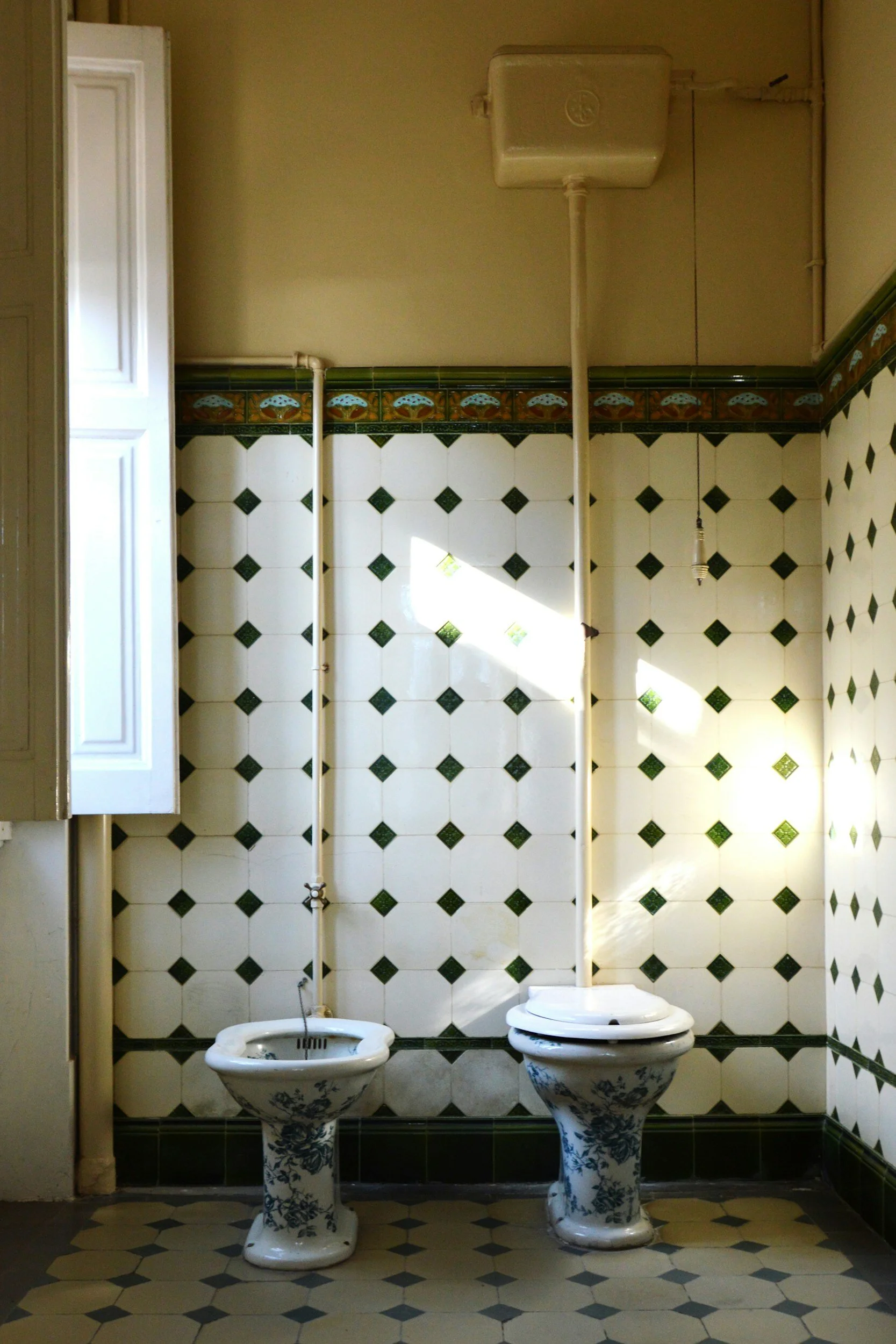
Nobody likes touching poop. Kids love joking about it, but touching it is no good. We all make poop, and there’s only three ways to avoid touching it:

  1. Hire a personal nurse that will handle your business for you. Unlikely, but thank you to all the medical pros out there that provide this service to those who really need it.

  2. Use toilet paper. Poop transfers more disease than almost any other item, so why not use 0.1mm thick paper to separate your clean hand from this gross, germ-ridden substance. Maybe you’re a “folder” and fold 10 layers of double-ply to create a 2mm thick germ barrier. Or, maybe your a “scruncher” and take your chances by scrunching a ball of toilet paper together to make a thick wad to wipe away the nastiness. You’re really taking your chances there since a crevasse in your random wad may randomly align with your finger. That’s really leaving your well-being up to chance. It also wastes a lot of paper.

  3. The best option (medically speaking) is to use a bidet or bidet seat - known as a washlet. This is a $100 - $1000 toilet seat that replaces the one you already have. These squirt water to clean your poop away … and it is HANDS FREE! The more money you spend on a washlet seat, the more features you get like: a heated seat, heated water, nightlight, deodorizer, pulsating massage spray, an air dryer, a heated air dryer, a sanitizer, and even a lid that closes automatically. The bidet or washlet cleans you better than just toilet paper alone. Since you don’t need to use any toilet paper (or just a few sheets to pat yourself dry), you end up saving paper, and you also save water due to multiple flushes that are commonly needed with too much toilet paper from wiping. Most toilet flushes are for moving toilet paper through pipes and not our actual human waste. Doctors also recommend bidets and washlets because cleaning with water is more sanitary and it prevents skin irritation and abrasions on your bum caused by repeated wiping with dry paper.

If you can’t tell, we are a proponent for option #3 above for saving water, saving paper, protecting the infrastructure from clogs, and preventing the spread of disease from fecal matter. In order to make a bidet or washlet seat work, you typically do not need any changes to ordinary plumbing. The device plugs directly into the ordinary waterline that all toilets use. The one consideration you do need to implement is an electrical outlet. Electricity controls the spray of water and the extra features if you have them (like the nightlight, fan, heat, etc). In existing homes, it’s usually relatively simple to add a new outlet nearby your toilet since most bathrooms have light switches and lights in them that you can tap into for a new outlet. A bidet or washlet will be life-changing. Give it a try!

If you’d like to learn more about our design process, visit www.josharch.com/process, and if you’d like to get us started on your project with a feasibility report, please visit www.josharch.com/help