
First off, there is a difference between an interior designer and interior decorator, and some will be offended if you call them the wrong thing.
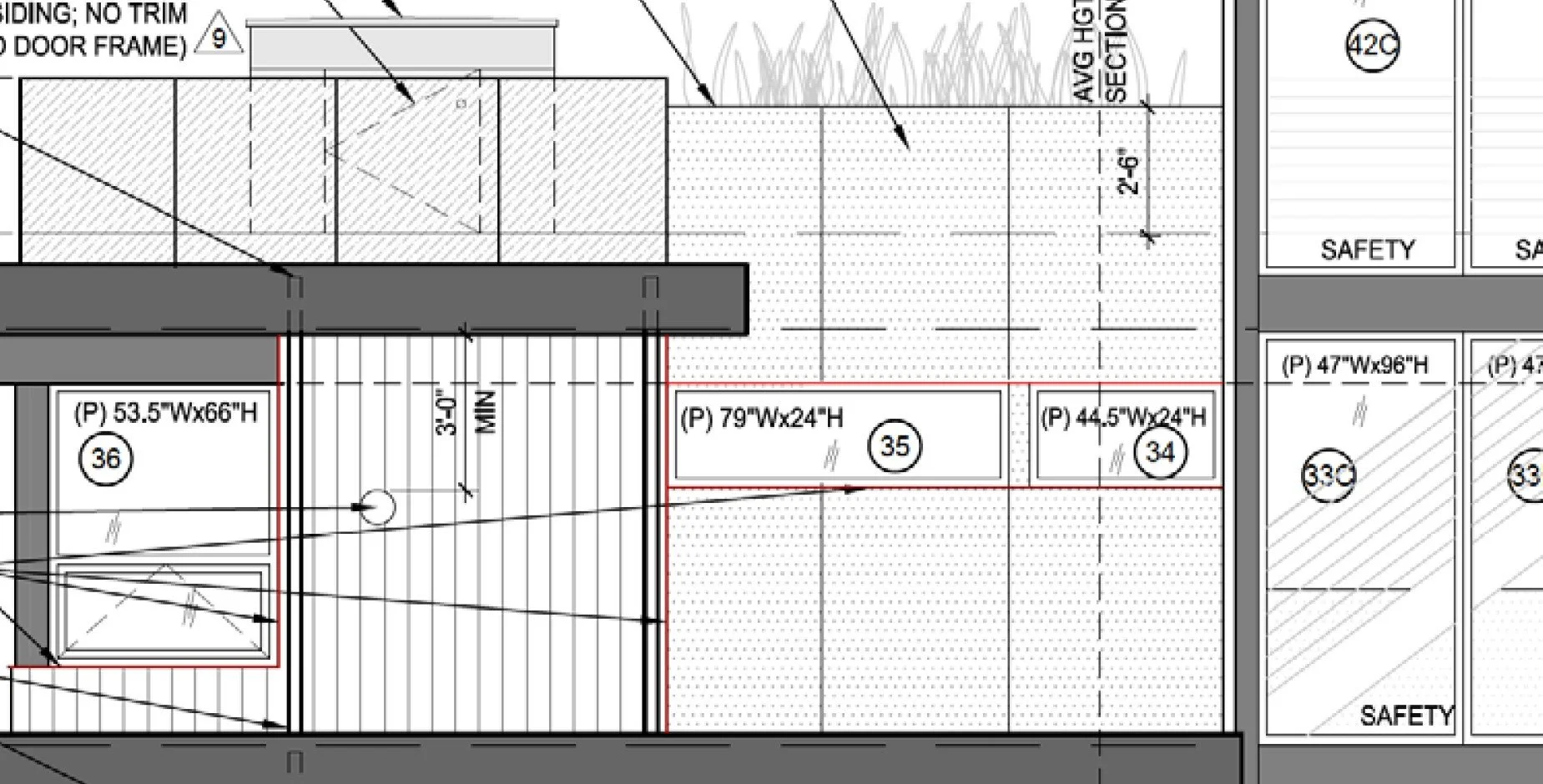
Designers deal with the space planning of interior elements like moving around walls and doors, and they coordinate with structural engineers for any items that affect the building structure. They also deal with life safety systems such as fire sprinklers, alarms, fire ratings, etc. Basically, they just don’t deal with the exterior parts of a building. They are sort of like an architect that doesn’t design the full building, the exterior walls, waterproofing elements, or the landscaping. They also tend to do the same things that interior decorators do as well. In some states, interior designers require a license from the NCIDQ (National Council for Interior Design Qualification). By the way, I hold an NCIDQ certification. The three tests were similar to three of the nine state board exams I took to become an architect.
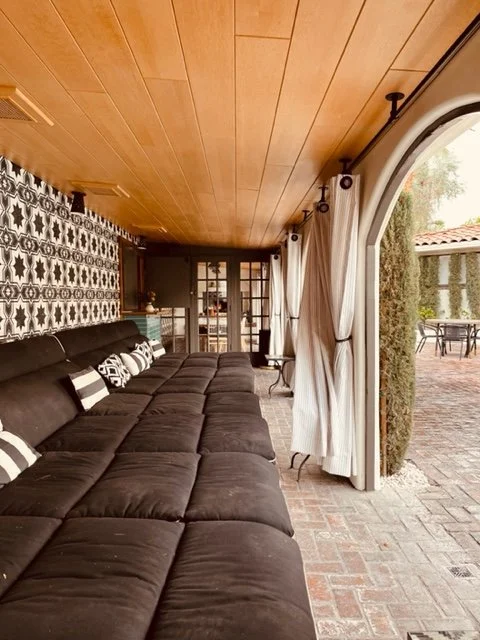
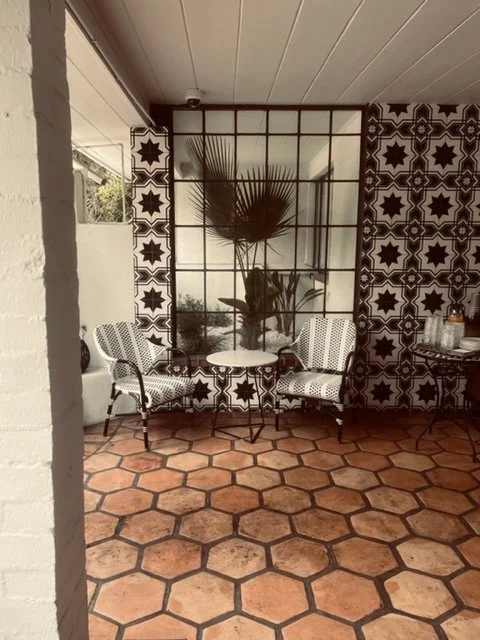
Interior decorators are a different breed. Instead of dealing with the items that are permanently attached and constructed within the building like an interior designer, interior decorators work with furniture, accessories like vases and candles, wallpaper, pillows, bedding, curtains, etc. These are generally things that happen after the building is built (maybe with the exception of wallpaper and paint color). Technically a decorator should not be specifying flooring since there are code requirements that are out of their purview in many cases.
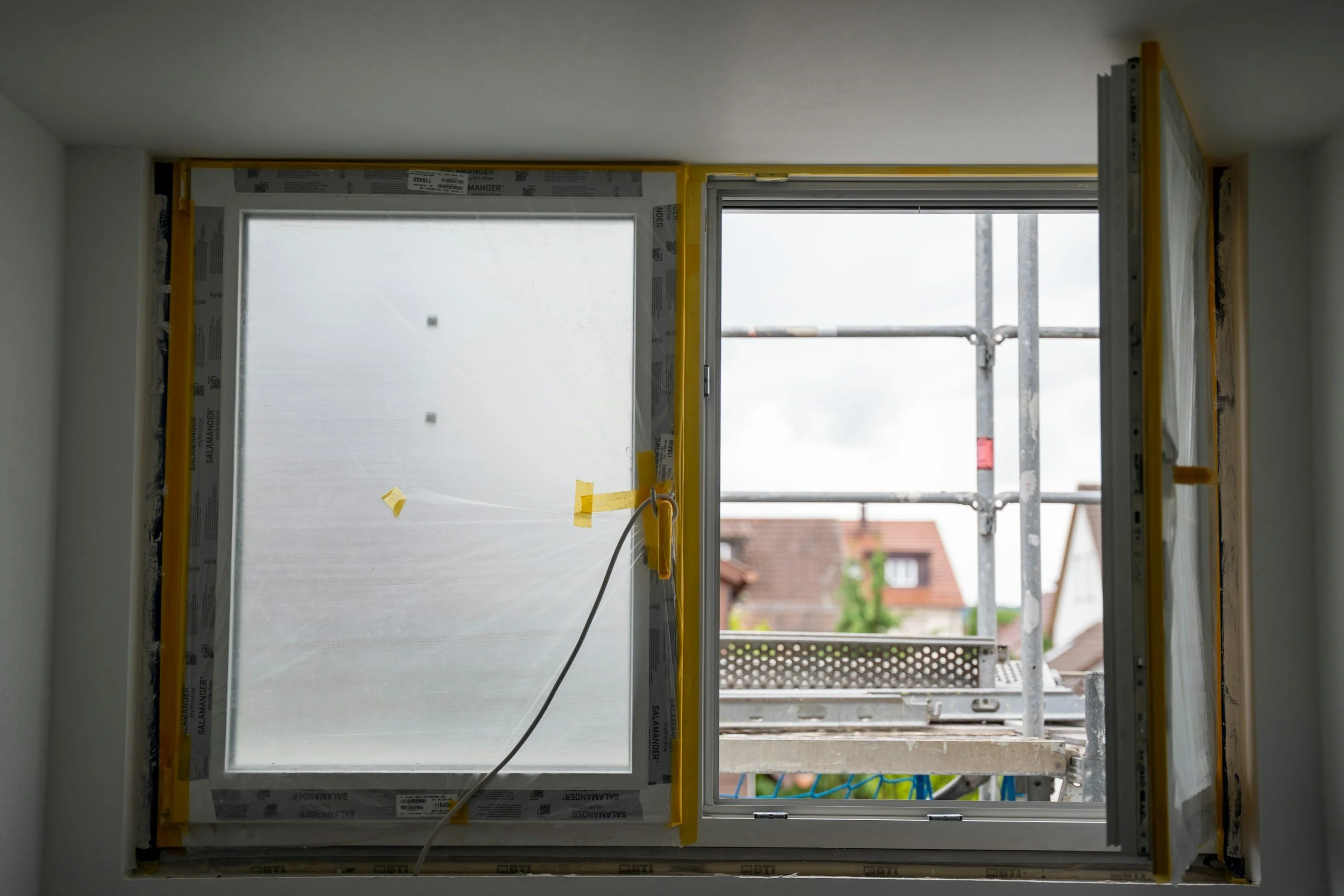
If your house is already built, and you want an aesthetic makeover without any actual “construction,” then an interior decorator is who you want. If you want a makeover with a bit of a remodel that includes moving walls around and installing new cabinets, counters, light fixtures, and plumbing fixtures, then you could work with an interior designer. If you are doing an extensive remodel that encompasses most of the house or affects window and door replacement, then you should be working with an architect. If you are building an addition or a new building, you should also be working with an architect.
In summary, an architect can do everything an interior designer and interior decorator can do. An interior designer can do everything an interior decorator can do. An interior decorator cannot do things that an interior designer or architect can do (as mandated by law).
So why bother working with an interior decorator if an interior designer and architect can do decorating work?
There are 2 main reasons:
Architects tend to have a huge scope of work dealing with the building code, zoning, waterproofing of the roof and facade, the overall design of the building, and all of the various material specifications that get built into the building. Adding decor into the mix tends to get outside of the trendy product knowledge that the architect knows, and the architect generally doesn’t have time to take you shopping for pillows among all those other tasks. Basically, their time and knowledge is maxed out with bigger picture items. Some architects do take on some decor items and have even been known to make custom plates, silverware, curtains, and even clothing to wear in the buildings they design.
Interior decorators tend to get paid in ways that are not ethically allowed by architects. Architects generally bill for their time hourly or as a lump sum and must make decisions that are in the best interest of the safety of the people who occupy the building (not necessarily just the client). This means architects must recommend the best product for every situation that will meet all of the needs. Interior decorators do not need to adhere to that fiduciary duty. They often “rep” certain products and get “kickbacks” for selling them. This is not allowed for architects. Interior decorators often bill by marking up the cost of the items they client buys. The decorator will often purchase all the furniture and such, and they will sell it to the client at an inflated price. Often, decorators buy items at discounted rates due to agreements with certain manufacturers to only sell their products. Then, the decorators often mark up those discounted products to retail rates. At times, the decorator may be able to pass along a discount to the client.
So why work with an interior decorator instead of an architect?
Similar to point #1 above, interior designers do tend to have more breadth of knowledge for certain interior products and decor than an architect has time for. As explained in point #2 above, interior designers often rep certain products like decorators do, so they can sometimes pass along discounts. The interior design profession is less regulated than the architectural profession, so interior designers can sometimes get away with not recommending the best product to defer to the ones they have a contractual agreement to represent.
Interior designers tend to be somewhat cheaper than architects (although this is not always the case).
Why work with an architect instead of an interior designer or decorator?
Since the work of an architect is all-encompassing, you will be working with the most knowledgeable person on all things relating to the building. There are so many times when architects work with designers that they make decisions that don’t comply with codes, don’t coordinate with mechanical, electrical, plumbing, and structural systems, or don’t coordinate with the construction sequence. Generally (not always) designers and decorators tend to be unfamiliar with construction. Architects often end up “fixing” things they do to make them work with the big picture.
Designers and decorators tend to be another “cook in the kitchen.” When you add that additional party, it’s another bill to pay, another timeline to coordinate, and another set of information to integrate into the drawings. Every time we have worked with an interior designer, there has been overlap with a designer doing work that is already in the purview of the architect, and they often tend to try to expand their scope beyond what is allowable. In our experience, it would have just been easier if another party was not involved in our process since it confuses responsibilities, slows things down, and results in rework. If you’d like help with pillows and such, it’s best to coordinate that after the building is complete. It’s easier for everyone if the architect takes responsibility for all items that are permanently attached to the building.
If you’d like to learn more about our design process, visit www.josharch.com/process, and if you’d like to get us started on your project with a feasibility report, please visit www.josharch.com/help