
Whether you are a homeowner, builder, or architect, you will be faced with the energy code if you’re doing a building project in Seattle (or anywhere in Washington). The building department tricks you into thinking you might “earn” something because you get “energy credits” by complying with the energy code. You don’t “get” anything. Energy “credits” would be a more accurate name if they were called energy “requirements” or energy “mandates.”
The state of Washington passed a set of laws called the energy code. Within the energy code, it tells you how you must save energy and resources based on the type/size of project you are doing. For example, if you are remodeling your bathroom, it tells you whether or not you need to replace your old windows with newer, more energy efficient ones in other rooms that are not part of the project like your bedroom or kitchen. It also gets into the efficiency of your lights, hot water, heater, air conditioner, ventilation, and insulation. The code basically tells you the bare minimums of what you need to do when you build stuff, so the building doesn’t waste too much energy. Honestly, most builders meet the energy code requirements by simply building according to their own normal practices. Those normal practices don’t typically achieve the higher standards that are listed in the energy credit list.
So what is an “energy credit?” The Washington State Energy Code has a list of things you “can” do to make your project more efficient. These are things that are above and beyond the bare minimums in the rest of the code chapters. You get to “choose” which “credits” you would like to earn. The word, “choice,” is really used loosely here. Yes, you do get to choose which energy efficient credits you’d like to earn, but there’s really not much of a choice. You are required to earn the credits, and it is getting really difficult to earn enough credits to comply with the minimum requirements.
Some examples of energy credits include:
Insulating your walls, floors, ceiling, doors, and windows beyond the minimum standards.
PROBLEM: to earn credits in this category, you need to build walls, floors, and roofs thicker to fit more insulation, and you need to by REALLY expensive windows that are more efficient. This really drives up the construction cost. Additionally, it is nearly impossible to even find windows that meet the highest energy credit standards, so it’s like finding a unicorn. There was a rumor that Lithuania sold windows that met that efficiency standard, but guess what: they are not “certified” for use in the USA (and good luck shipping glass from Lithuania).
Sealing your house really well, so air cannot leak out or in.
PROBLEM: this seems simple enough to use caulking and such to ensure we don’t infiltrate air out of our homes. Honestly, we do such a good job wrapping our homes in an envelope, that we now need to add vent fans to keep fresh air moving to avoid mold from developing. The bigger problem with earning credits in this category is you have to SAY you are going to seal your house really well when you apply for the permit, but you have no control over how well it will be sealed once it is finished being built. Basically, at the end of construction, the builder hires a consultant to perform a blower door test. This is done by shutting all the doors and windows except for one door. That door is fitted with a plastic tarp with a fan on it, and the fan is hooked up to a computer. The computer can measure how much air is leaking out of the house as the fan blows a known amount of air through it. If the test is failed, then you don’t earn that required credit. Now what? You can’t just peel the siding off and re-caulk all the windows and seams between plywood panels. If you don’t pass the test, then you must scramble to earn credits in some other category. We have had builders explain how proud they are of their work - only to surprisingly find that they were over 3 times the legal amount of air infiltration. This credit is too risky to rely on.
Installing high efficiency heating and cooling equipment.
PROBLEM: this is a credit that you basically must earn. By simply buying a furnace or heat pump that has the required certification, you earn the points. It is easy to rely on this credit since the sticker on the side of the equipment proves that it complies regardless of how good or bad the house was built. The problem is this equipment is expensive - but you essentially have no other option. The other problem is you can really only install the equipment that your builder’s installer is certified to install, so hopefully they have access to the equipment you will be required to have.
Installing high efficiency water heaters.
PROBLEM: this is essentially the same conversation as item #3 above. It’s a reliable option, but it will cost you.
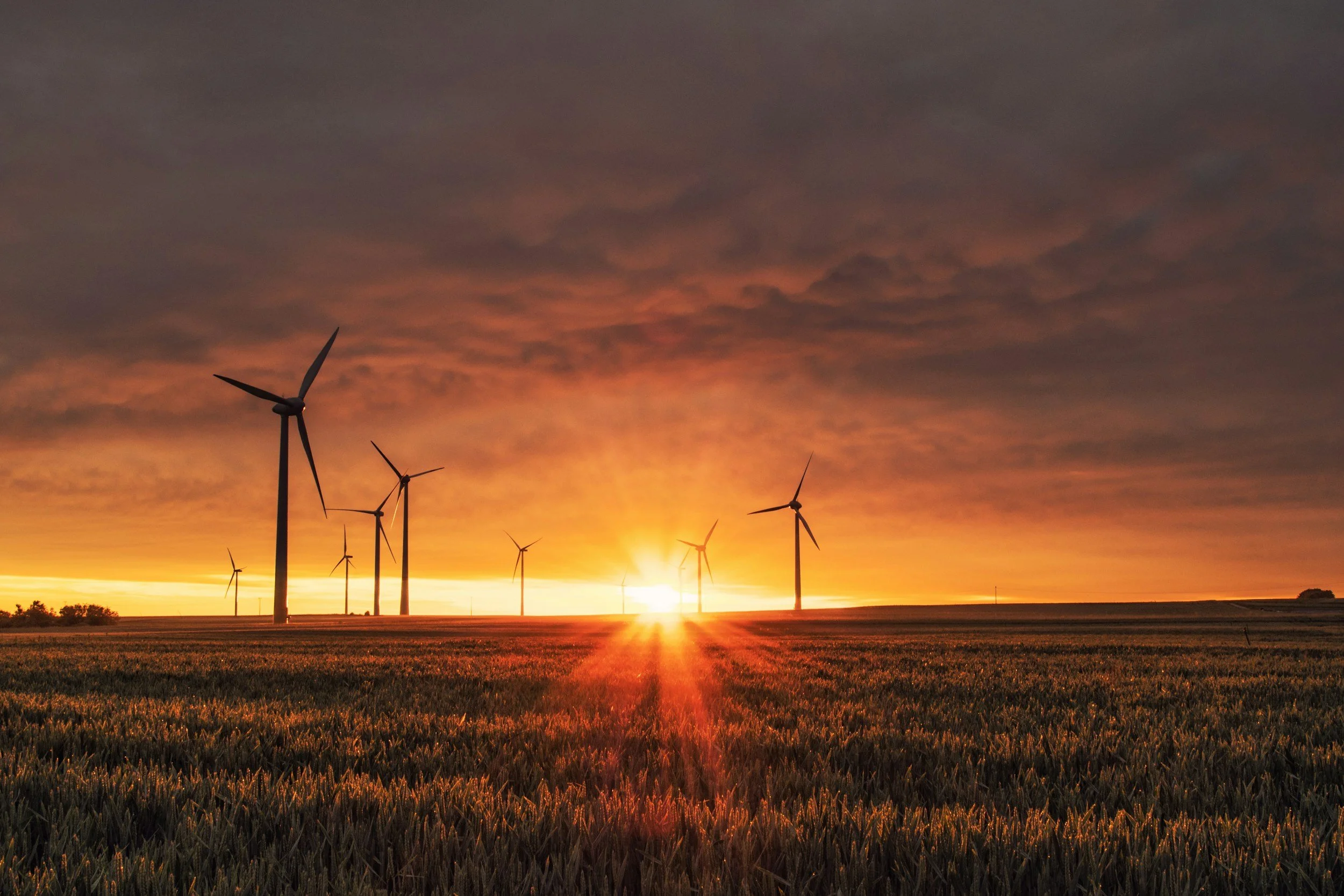
Installing solar panels or wind turbines.
PROBLEM: these are high cost items to install. If you can’t meet other energy credits (or if you fail to achieve certain credits), then you might be stuck installing some solar panels. The cost of solar panels takes many years to get a return on your investment, but the biggest problem is more of an ethical one as explained in our previous essay entitled, “Should You Get Solar Panels?” Basically, solar panels MAKE electricity, but the focus should really be on CONSERVING electricity. We can conserve by using more insulation and by caulking/wrapping our walls a bit tighter. The money spent on extra insulation and caulk to save energy is quite a bit cheaper than the money spent on solar panels to make more energy.
Installing energy efficient appliances.
PROBLEM: appliances are one of those items that are really a personal preference sort of thing. Sometimes we like the features on a certain dishwasher, and we want to spend our hard-earned money on the one we like rather than the one that has a certain energy rating. This credit is a bit of government overreach in my opinion. Additionally, you don’t earn many points for this credit option.
In summary, the Washington State Energy Code tells us what we need to do, and it gives a list of energy credits that we must comply with. Small projects need to earn less credits than large ones. In our experience, the only reliable way to earn the required amount of energy credits is to install really really really expensive and efficient heat pumps to heat/cool our homes and water heaters to provide hot water to our showers, laundry, and sinks. In other words, if you intend on doing a home project, prepare to pay for a new heating system.
If you’d like to learn more about our design process, visit www.josharch.com/process, and if you’d like to get us started on your project with a feasibility report, please visit www.josharch.com/help