
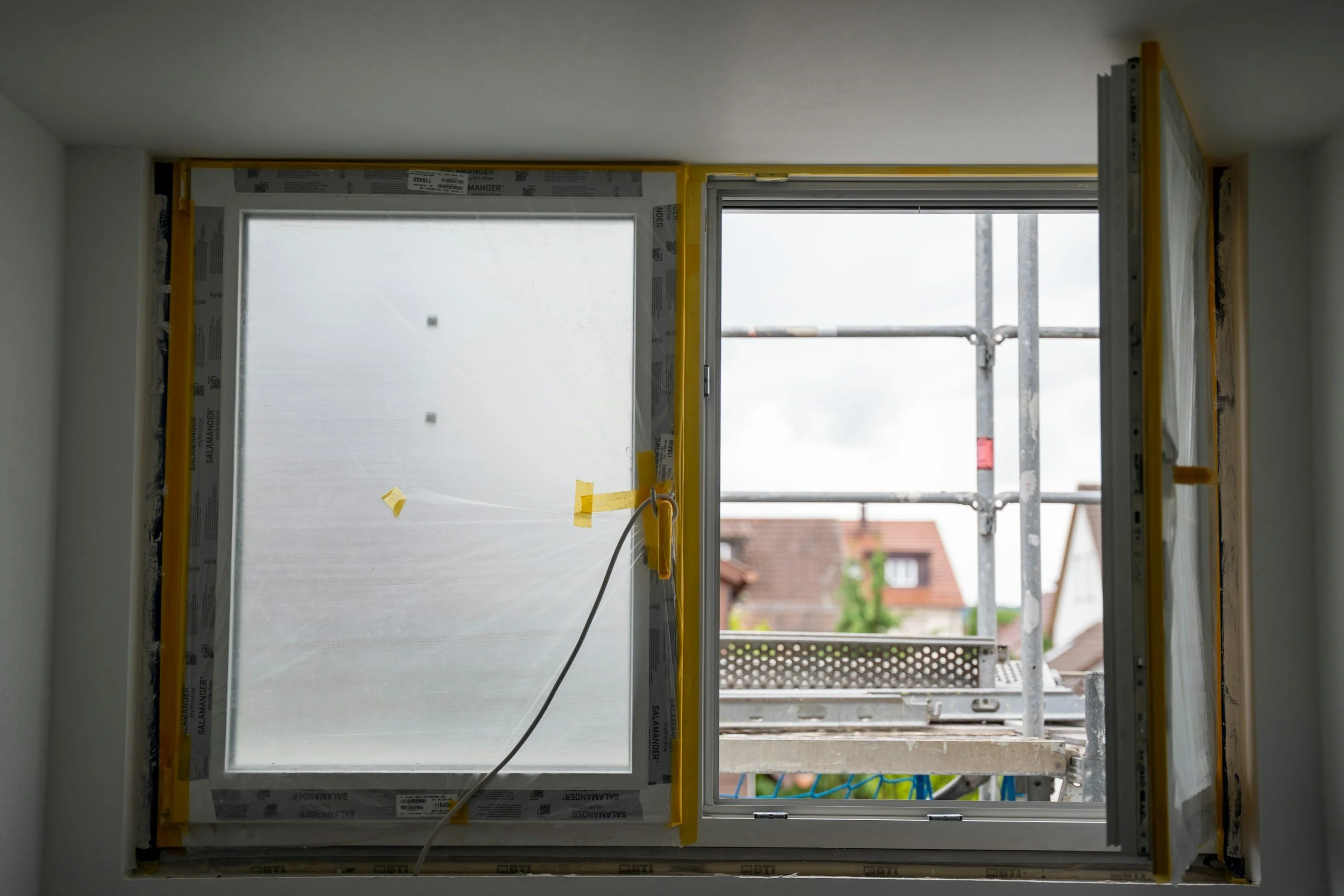
When you make a window bigger, is that considered a structural change? This is an important question since it could trigger the need for a building permit and some jurisdictions. The thresholds are different in each location for whether you need a permit or not, but in many places, structural changes are the determining factor of when you would need to get a building permit. In some locations, They require building permits for non-structural changes, or at least they try to, even though the wording in their codes has exceptions to the rules. In this essay, we will focus on whether a change to your window would trigger the need for a building permit.
Same Size Window
If you are simply removing a window and replacing it with another window of the same size, this would not require a building permit in most jurisdiction. This is because you are not altering the structure of the building. Some locations do require permits if you are changing anything at all on a façade, but there still might be other exceptions in their code that enable you to change a window without a building permit. Often there is a rule that allows you to do $6000 of work within any six month. Period without the requirement for a building permit. Even if a building permit is not required, the work that you do must still be done according to the code. In your location, there is likely a requirement for the insulation value that a window must have, whether or not the window needs to be tempered (safety glass), or whether it needs to have a certain size for emergency exiting. Depending on the situation, you may not need a permit, but you might need to comply with those regulations on the honor system. Generally, if you are changing a window out for a window of the same size or even a smaller window, a permit would normally not be required. This is because you are not changing the structure, and assuming the building was legally built in the first place, than the window that was originally there would still be allowed to be there when replaced with a similar product.
Windows of a Larger Height
If you are removing a window and replacing it with a larger window, this might not be considered as a structural change. How can that be? If the width of the window stays the same, and just the height gets larger, that means that the header beam above the window and posts on each side of the window stay the same size and do not need any changes whatsoever. The portions of the wall below the windowsill are non-structural, and do not support anything other than the window itself. Structurally, it is fine to replace a window of a larger height, since it does not have any effect on the structure in most cases. This means it would normally not require a building permit to make that change, unless your jurisdiction has specific rules for permit requirements that relate to non-structural items.
Windows of a Larger Width
If you are replacing a window with one that is wider, this is considered a structural change. This is because the header beam above the window needs to get wider, and the posts that support that header need to be relocated. You also will end up with less wall and more glass. This is important because walls support the floors and roofs above. If you have less wall, you have less support. Also, walls are covered with plywood that also resist the side to side forces from earthquakes and wind. Glass cannot resist those forces, so when you add glass and reduce wall, you are not only reducing the strength of the wall from what it supports above, you are also reducing it’s strength from lateral side to side movements. For those reasons, making a window wider well almost always trigger the requirement for a building permit.
Other Considerations
In some cases, a window might be in a wall that is required to have a fire rating. When you replace that window, you need to ensure that you are maintaining the required fire protection on that wall. In those situations, there are also limitations to the amount of window surface that a wall is allowed to have. If you add more window, you might exceed the percentage of that wall that is allowed to be non-fire rated, and windows are not fire rated.
In other situations, the building department might be concerned with the aesthetic considerations of the window. Some wind use codes do scrutinize the appearance with regard to the material, color, size, proportion, and overall relationship to the architectural character of the neighborhood. In that case, any change to a window might require a building permit. This is why it is best to consult with a professional experienced with the codes in your locality to verify if the changes you are making will be compliant with all the rules. In
If you’d like to learn more about our design process, visit www.josharch.com/process, and if you’d like to get us started on your project with a feasibility report, please visit www.josharch.com/help