You wouldn’t expect an architect to do THAT by S. Joshua Brincko

One Saturday morning I got a call from the builder on one of my projects. He was at the airport on his way to Disney with his family. He said, “Josh, I got a call from the concrete guys. They were speaking mostly Spanish, but it sounds like that old concrete window well around the basement window separated from the foundation wall and caved into the hole where the sewer work was just done, and it’s in their way. Hopefully it didn’t crush the sewer pipe. Can you check into it?”

Wow. So many thoughts ran through my head at that point. I just ran over there as fast as possible. I knew we couldn’t have the concrete crew delayed because they were booked out for months and would not be possible to get them scheduled again in the near future. This would screw up the inspections that were scheduled and largely put the project to a grinding halt if the concrete crew could not finish their work. They were already working weekends to keep up.

When I got there, I saw a 7’ deep pit with a 3-sided box of 8” thick and 4’ high concrete sitting at the bottom and lying on top of a newly installed plastic sewer pipe. The concrete likely weighed about a ton. Luckily nobody was in the hole when it caved in.

My task was to get the concrete out ASAP. I knew one of the concrete guys: Ruben. I actually welded a BBQ for him a few weeks earlier as a gift. I knew he could likely get me a jackhammer. In Spanish, I asked him if he could get a jackhammer ASAP. “No problemo, Yosh.” 20 minutes later, I was in a hole with a jackhammer breaking up a ton of concrete that was delicately sitting on a plastic pipe that appeared to be slightly punctured and slowly leaking sewage. Over the next few hours, I broke it up into small enough chunks that I could toss out of the 7’ deep hole. Once it was removed, I dug the dirt around the plastic sewer pipe to expose it and analyze the damage (I also tossed a good amount of dirt out of the 7’ hole and kept it clear of the busy concrete workers). I coordinated with the builder to come out ASAP to fix the pipe, and that was the end of it… well I couldn’t get the jackhammer out of the hole. My arms were rubber from the jackhammer, digging, and tossing chunks of concrete 7’ in the air, so I could not get it out. I stepped on it to climb out myself, but it was too deep to reach it to pull it out. Ruben was gone, but his Spanish speaking helpers were there. “Necesito ayuda por favor.” (I need help please). I jumped back in the hole, lifted the 90lb jackhammer up, and Juan was able to reach it to lift it out. Then he said “adios amigo” and left me in the hole. Then he came back and helped me up:)

This is not what I do every day, but it’s the type of “do whatever it takes” attitude that I employ every day to ensure my vision gets built for my clients. Most people don’t really understand what architects do, and architects even have a tough time explaining it as well. This is the curse of doing technical work: it’s tough to understand, and it’s even tougher to explain. Think about it, I have gathered 20 years of experience, passed 9 state board exams, completed a bachelor’s degree, a master’s degree, and worked in various sectors including construction labor, construction management, designing high end residential, restaurants, offices, schools, and hospitals, so there’s a lot of content to sum up to explain what I do.

In a nut shell, I conceive of an eloquent idea (design) - to solve a matrix of complex problems … and bring it into fruition - by coordinating the technical aspects of various specialized trades and entities - into one coordinated contract (drawings) - that is choreographed into a process (construction) - to yield a comprehensive product (a building) - that successfully incorporates all requirements (client goals, codes, engineering, material specifications, budget, etc). I broke up the sentence with dashes to make it easier to digest. You likely need to read that three or four times to get it, but that’s what I do. To put it more simply: I design a building that you like and ensure it gets built the way it was designed.

Many people assume this process is straightforward and they could do it themselves. The reality is that you can do it yourself - much like you could perform a surgery yourself. You might accomplish the goal or something close to it, but you will definitely have detrimental problems and delays along the way that are not worth it.

Here’s a detailed example of just one thing we do. You may want your window to showcase your view of a mountain. So, we design a “hole” in the wall at the appropriate location to see the view from where you will be seated in the room, to allow light in (but not too much), ensure it does not create any privacy issues with people looking into your home, coordinate the beams and columns required around the window with the engineer to ensure the structure fits within the space allowed, is cost effective, is capable of being built with locally sourced materials, and looks good. Then we ensure it meets the energy code for the situation by specifying a window frame with the appropriate U-value, glass with the appropriate solar heat gain coefficient, is rated by the certified product directory, has the required R-value of insulation around the framing, and has an appropriate emissivity film on the various panels of glass to control heat gain, glare, and minimize discoloration of the glass. We also coordinate the order of that window with various possible suppliers at different price points with usually about 40 different options for frame shape, frame material, hardware options, how it opens, how it gets installed to the framing, colors, screens, and compliance with the building code for emergency egress and tempered glass in some situations. Then we design the trims on the interior and exterior for the sill, jamb, liner, apron, and head to ensure those trims will coordinate appropriately with the adjacent siding or other finish materials. We also design the weatherproofing strategy to ensure the window doesn’t leak, and if it fails, leaks will have a way of weeping out and drying out to prevent mold and rot. The size of the window frame also has to be coordinated with the window manufacturer to ensure they can even build it to that configuration, and we must coordinate all this with the framer during construction with drawings to communicate how to build it all. Yes, you could do these things, but you will not get it right on the first try. Windows are expensive, so it’s not worth the error. This is only one example of a myriad of products and systems that an architect coordinates into a successful building that looks, performs, and functions well.

The real skill of an architect comes during construction. This is where the drawings actually get used to attempt to build a building. There’s a lot of poser architects (actually designers … let’s not call them architects) out there that “hide” behind their drawings by pumping out half baked ideas for the builders to figure out on the jobsite. This happens because the designer doesn’t have the skill to fully think through a solution that can be built, so they really just do part of the work and pass it on to to the builder to figure out the rest. This usually leads to a lot of compromises since the builder has different goals: they don’t care about the vision, and they want to build something fast, easy, and on budget. All of these things breed compromise which leads to the design intent being overlooked and overshadowed by the things that are important to the builder (instead of the client’s best interests). A good architect will communicate the intent to the builder by reviewing the drawings, intent, design details, and product options with them. Then the architect will be present on the jobsite to help layout the work for the builder to ensure the design intent is being put into practice effectively.

There’s many ways of doing any one thing, and employing the wrong method will cause the goal to be missed. With construction, problems are costly and usually cannot be undone. These problems either dramatically affect the process/schedule, or they affect the outcome of the item and all subsequent items that are built upon it. Having the architect on site to communicate solutions with the builder is certainly key to keep the project on the same path as when you hired the architect. It’s funny that many clients seem to hire an architect to design their building, but yet they tell them what to do and how to do it. Sure, the architect needs to know the client’s goals, but the architect knows best for how to achieve them. Getting in the way of that only slows the process and prevents accomplishing the full goal. Clients end up getting in their own way when they don’t let the professionals do their job, and this is unfortunate since the client is spending a lot of money for the architect and the builder - especially since the client, architect, and builder all really want the same thing: an awesome building. Working together, an architect and builder can achieve that.

If you’d like to learn more about our design process, visit www.josharch.com/process, and if you’d like to get us started on your project with a feasibility report, please visit www.josharch.com/help


THE Problem With Construction Bids by Josh Brincko

As an architect, I am not the party responsible for the exact cost of construction. I do have a lot of experience with construction costs through the work of designing buildings, but I am not the one responsible for what they cost. Only a builder can decide how much they are willing to build a project for.  

The builder needs to have a thorough understanding of what needs to be built, with what materials, and with what expectation of quality. A builder can make a pretty good guess at how many hours they believe it might take to build something, but the builder simply does not have any control whatsoever on the cost of materials or the cost of any subcontractors that must be hired such as plumbers, electricians, excavators, or concrete crews, for example. A builder can call around and get multiple bids from suppliers and subcontractors for the work that is depicted in the drawings, but those vendors are the ones that control their prices. In a busy climate, those vendors have higher prices (and a lower level of service) since they are too busy to really bid on projects. In a busy climate, it is difficult for a builder to succeed in getting multiple competitive bids on materials and subcontracted labor. For that reason, clients and architects should acknowledge that there is little anyone can do to anticipate an exact price to build a project. We can all certainly come up with reasonable estimates, but those estimates are merely based on past experience by comparing this project to that old one. We can all say, “this is what happened last time,” so it will probably happen again this time, but the situations are always changing, and we can only do our best to compare old situations to current ones. Even builders that construct spec homes can have differences in the cost to build two homes that are supposed to be identical.  

Another problem with bidding the cost of construction is that the builder must create a buffer to over-estimate the cost of construction to ensure that they do not end up working for free. If a builder underestimates on a bid, they would be paid a fixed amount of money to do a certain amount of work, and that builder would inevitably be working at a reduced rate if they underestimate. This might happen in a slow economy to keep crews busy, but this would never happen in a busy climate. In an average or a busy climate, builders typically will over-estimate the cost of construction to give a reasonable buffer to themselves and their bottom line. This means the client will end up paying more than what the builder worked. In a time and materials arrangement, there is no bid, so the client ends up paying exactly for the work that gets done. At the end of the project, the total construction cost might be more than, less than, or exactly what the client wanted to pay, but the reality is that the client will pay for exactly the work that got done and nothing less and nothing more. In a bidding arrangement, there will be a winner, and there will be a loser. Builders know more about construction than clients, so they will inevitably set themselves up to be the winner. Since builders must over-estimate their bids to run a profitable business, the client will inevitably be paying for more than what has been received. In other words, the cost of the product is inflated by a factor of the bidder’s confidence or cockiness. Sometimes builders will put in a 10% buffer, or 20% buffer, or if things seem vague, they may double the cost of certain aspects of the projects to build in a level of certainty that they may feel comfortable. The client gets a guaranteed price, but the client also has a guarantee that they will pay for more than what has been provided. In a time and materials arrangement, clients pay for exactly what has been provided to them. In all arrangements, the builder is still guessing at what something will take to build. I prefer to limit the amount of guessing and limit the amount of buffer by choosing to pay for the exact amount of work that must be done in a time and materials agreement. The onus is on the client to be reasonable and ask for work that seems appropriate and within a budget. This means the client must do research to determine what their budget is and what the current climate requires for the cost of goods and services.  The onus is on the builder to be honest with the client because their reputation is on the line if they get off track.

If you’d like to learn more about our design process, visit www.josharch.com/process, and if you’d like to get us started on your project with a feasibility report, please visit www.josharch.com/help

Return of Blockbuster (of sorts) by Josh Brincko

Remember when you could swing by the Blockbuster on your way home and grab a movie to watch? Before Netflix, there were many places we could stop by to rent a movie. These stores were once part of our routine of stopping at the grocery store, bank, get some gas, and maybe grab a movie, but now they are gone. We no longer have these rental stores in our neighborhoods.

I predict a store will someday (soon) fill the void that Blockbuster has left in our neighborhoods and routines. Instead of a neighborhood store to rent movies, it will be a neighborhood store to pickup 3D PRINTED PRODUCTS.

With the development of various 3D printing technologies, we will soon have the capability of simply printing the stuff we buy instead of ordering it on Amazon to be delivered. It won’t be practical to print most products in our own houses (come on…you know your inkjet printer cartridges are probably empty), but it would be practical for a neighborhood store to have a big, expensive 3D printer that is capable of printing anything you can imagine. This would really streamline consumerism and dramatically change the marketplace.

Currently, a company has an idea, they spend a lot of resources on developing it, they build a prototype, the prototype has flaws, they build improved prototypes, then they settle on a final design of the product, they setup assembly lines to build it (and package it), they mass produce it, they distribute it to a shipping facility, then it gets shipped to different shipping receiving facilities around the world, then it gets distributed to various retailers, then Amazon delivers it to you, or you buy it in a store. The product likely gets shipped 6 or more times. That is really inefficient, it uses a ton of resources in shipping materials, fuel, and vehicles, and it takes a ton of time. There’s also a lot of waste in packaging, overstocking of the product, and the initial development of the product. All of this can be prevented.

With 3D printing, the product can be printed when you order it, and you can go pick it up (or it can be delivered to you). That is 1 trip and no packaging required. Think of the savings in efficiency. Amazon ships stuff in Amazon boxes even though all the products already come in their own box. This double boxing and the waste that goes with it will be eliminated, and in most cases, no boxes will be needed. There will be no more overstocking. When you order 1 thing, only 1 thing gets printed. There will be no more warehouses or distribution centers. The main item to be delivered and stored would simply be 3D printers and 3D printer cartridges.

3D printers are capable of printing ANYTHING. Scientists have already successfully printed human body parts. A 3D printer simply spits out a material just like an inkjet printer spits out a color. With print cartridges of various materials, we will be able to print whatever we want. We will even be able to make new materials that don’t exist today. For example, glass, metal, plastic, etc, can be printed to be more porous on a microscopic level. Instead of the material being as dense as it is now, it can be mostly air as long as it is printed with a cellular structure fine enough to be sturdy and not leak (if it’s intended to be a cup or something). Think of a beehive. Those things are super fragile, weigh nothing, and the hexagonal patten of the comb gives it rigidity. Imagine that at a microscopic level with plastics or metals. We could effectively make materials stronger while using less material. This is similar to the concept of a castellated beam. This is a beam that has ridges cut into it to make the beam higher and stronger. It takes no more material, but you get a much stronger outcome.

Also consider the new materials that can be created. We would be able to print plastics impregnated with metals and glass. We could create materials with properties that we don’t have today. Everything can be stronger, lighter, and waste less. We could even impregnate electronics into materials. Think about impregnating materials with products that aid in the future decomposition of it, so it decays more quickly and beneficially in landfills.

Product designers and manufacturers in today’s economy must participate in so many steps to get their product into the marketplace. 3D printing will enable ANYONE (with a knowledge of 3D modeling software) to develop a product. If you have an idea or want something specific, you could model it on your computer, and pay the neighborhood 3D printer a fee to print it for you. This is similar to how YouTube has made it possible for anybody to become a “YouTube star” or to simply get their message delivered to the masses.

3D printing our own ideas could lead to a lot of amateur products that don’t work well, and this is where marketing comes in. Similar to the way Amazon promotes certain products that are geared to our own personal interests, these sort of algorithms will become more and more prevalent as paid advertising and our search history affects the products that are marketed toward each of us differently.

It will be interesting to see how the marketplace will change for the better and worse. Amazon has already created the platform for product marketing and purchasing, but I believe the network they created for product warehousing and delivery will soon become obsolete when 3D printing becomes the norm.

I look forward to hearing your feedback on this exciting future that I believe is inevitable.

If you’d like to learn more about our design process, visit www.josharch.com/process, and if you’d like to get us started on your project with a feasibility report, please visit www.josharch.com/help

Nightmare Builder or Client? by Josh Brincko

We all hear about nightmare builders. There is a reputation that builders take advantage of people. Builders are a different breed than the architects and the clients that hire them. We think of builders as blue collar workers. They are typically not college educated like their clients. Instead, the builders are educated on the job by the repetition of actually doing their trade. They learn by doing, and they eventually become really good at it. They are generally not “book-smart” and excel at tactile and visual learning. This is in contrast to the clients who are generally book-smart and sit at a desk typing emails all day. Builders generally don’t think the same way and cannot operate technology with the same prowess. This different mode of learning and thinking puts builders and clients at odds with each other. I don’t think either way is better, but learning to cope with one another is essential.

As an architect, I work with many many many builders. I get to see how they work, what they charge for it, and the outcome. In my experience, I have only encountered two builders that I consider nightmare builders that have a low ethical compass. All the other builders, which are 99.9% of them, do have good morals, and they strive to do the right thing. These builders vary in their skill level, in their degree of interest in their work, and their ability to provide the outcome requested of them by clients. This all boils down to setting expectations. The client needs to have reasonable expectations for the builder, and the builder must set clear expectations for the client. If the client wants to scrutinize items down to the inch or fractions of an inch, then the client must expect the cost to be higher to account for the extra planning, craftsmanship, and periodic pauses for approval and adjustment as required to achieve that meticulous goal. If the client doesn’t care about fine detail, then they can expect the builder to make assumptions and build a reasonable product similar to the intended goal at a lower cost. 

The misalignment with expectation is really the root cause of being considered a nightmare builder or nightmare client. Going into any project, the builder must assume the cost of material and amount of labor necessary to give the client what they expect. These assumptions are based on prior experience. If the client wants a level of detail or quality that exceeds the assumption, the client should expect to pay more for it. If the client wants to spend time scrutinizing all the options before deciding upon a method or material, the client should realize that extra time costs money, and additional administrative costs will raise the price to achieve the outcome desired. The builder is not in the business of running a “construction university,” so the client should expect to pay tuition if they want overly detailed explanations on means and methods of construction. It is the builder’s job to meet the design intent and performance requirements, and there are many ways to arrive at that outcome. It is up to the builder to decide how to get there.

When a client excessively changes their requests, they put subcontractors and material suppliers “through the ringer”, and those clients need to realize that those subs and suppliers will either refuse to do the work or need to charge more to compensate for the added difficulty. 

Clients must remember that builders are experts in their trade, and they have already vetted the best subcontractors and suppliers that work best with their practices for the right price. If a client interrupts those practices, the builder is not performing within their tested, tried, and true system. This causes unknowns which generally causes prices to go up. 

As an architect, I work on dozens of projects at a time, so I get to see current market rates for things. I know when to call “bullshit” on something. Sometimes I’m wrong, and a builder puts me in my place. But usually the builder is in new territory trying a type of work they haven’t done before and are not familiar with the associated costs.

Trusting the builder and architect is key. They are working ethically with the best available information and science at the time a request is made. Everyone wants the same outcome: a great building and a pleasant experience. Clients must do their fair share of taking accountability on the effects of the requests they make. Builders and architects will do their best to set reasonable expectations, so the clients should heed that advice. 

If you’d like to learn more about our design process, visit www.josharch.com/process, and if you’d like to get us started on your project with a feasibility report, please visit www.josharch.com/help

Women in Design by S. Joshua Brincko

Graduating from architecture school, there was certainly a male dominance in the student body and the faculty. As a working professional, this has not been the case for me however. At my first job in Ohio (nearby where I attended school), it was more male dominant, but in the Seattle market, there has been a better balance. My first job in Seattle was more or less a 50/50 male to female ratio.

Why is that? It could be attributed to many factors including university acceptance practices in west coast schools, a different market for design in the Seattle area, and overall progress toward equality in the Seattle area. I have had the opportunity to work with really great designers and some really poor ones of both genders. In my experience, gender has not played any role in the skill level of the people I have worked with. In my small business, I have always tried to hire the best person for the job, and that has happened to be nearly exclusively females. Design is a trade that requires a really good balance of spatial awareness, technical problem solving, and careful organization skills. I have heard people say that one gender is more likely to excel at technical issues and another is better at spatial awareness. I have never encountered this personally, and I have seen both genders struggle and excel at both.

Everyone is different regardless of gender, and I think it’s important to recognize it. This is where equality and fairness come in to play. When you think of the world in a broader context that spans more time and more places than you have been part of, there is an obvious problem historically that still persists today. Male dominant fields exist, female dominant roles exist, but anyone, regardless of gender, is capable of fulfilling them. It is important to participate in the progress that has been made in gender equality and recognize that there’s more work to be done. I’m happy to live in a world where people can acknowledge there is an equality problem and do something about it. I have a wife that has dealt with pay inequalities and a daughter that will benefit from awareness and action on this problem. We teach our kids to look beyond gender, race, and other differences in the things they choose to do, and I think, with time, that this will help to tip the scales to equality. How is this achieved? In our case, it is by teaching ... which really just means we talk about it instead of pretending like there’s no problem. Communication builds awareness. Awareness offers knowledge. Knowledge instigates the power for taking action.

What kind of action can you take? Start with respect. Treating people in an unbiased way is the cornerstone of respect. Honor people for their traits and not identities they cannot control. Hold fairness as a paramount endeavor in you life. Stand up for those who are not treated fairly. Close the pay gaps. Talk to those in power to make them aware of this issue. Convince them to take action. If more people act, the faster the change will happen. I’m proud to have a female dominated workplace and to work with other companies in the construction industry that have beaten the male dominant paradigm. I’m lucky to have a daughter that will benefit from my wife’s diligence to teach her that she has no limits. I’m fortunate to have a son that we teach to treat others fairly. In the past, these issues were not apparent to me. As I’ve heard others close to me talk about equality, I’ve become aware. That is exactly what we need to keep doing. I’m open to ideas for how to broaden the conversation and instigate more rapid change. Thank you for reading this, and thank you for supporting one another and for practicing mutual respect.


Shout out to the awesome women I’ve worked with at Josh Architects: Heather, Holley, Callie, Erin, Jessica, Ester, Yo-yo, Jennifer, Lisa, Shannon, Michelle, and my daughter, Sunny!

If you’d like to learn more about our design process, visit www.josharch.com/process, and if you’d like to get us started on your project with a feasibility report, please visit www.josharch.com/help
Sammamish Deck by Josh Brincko

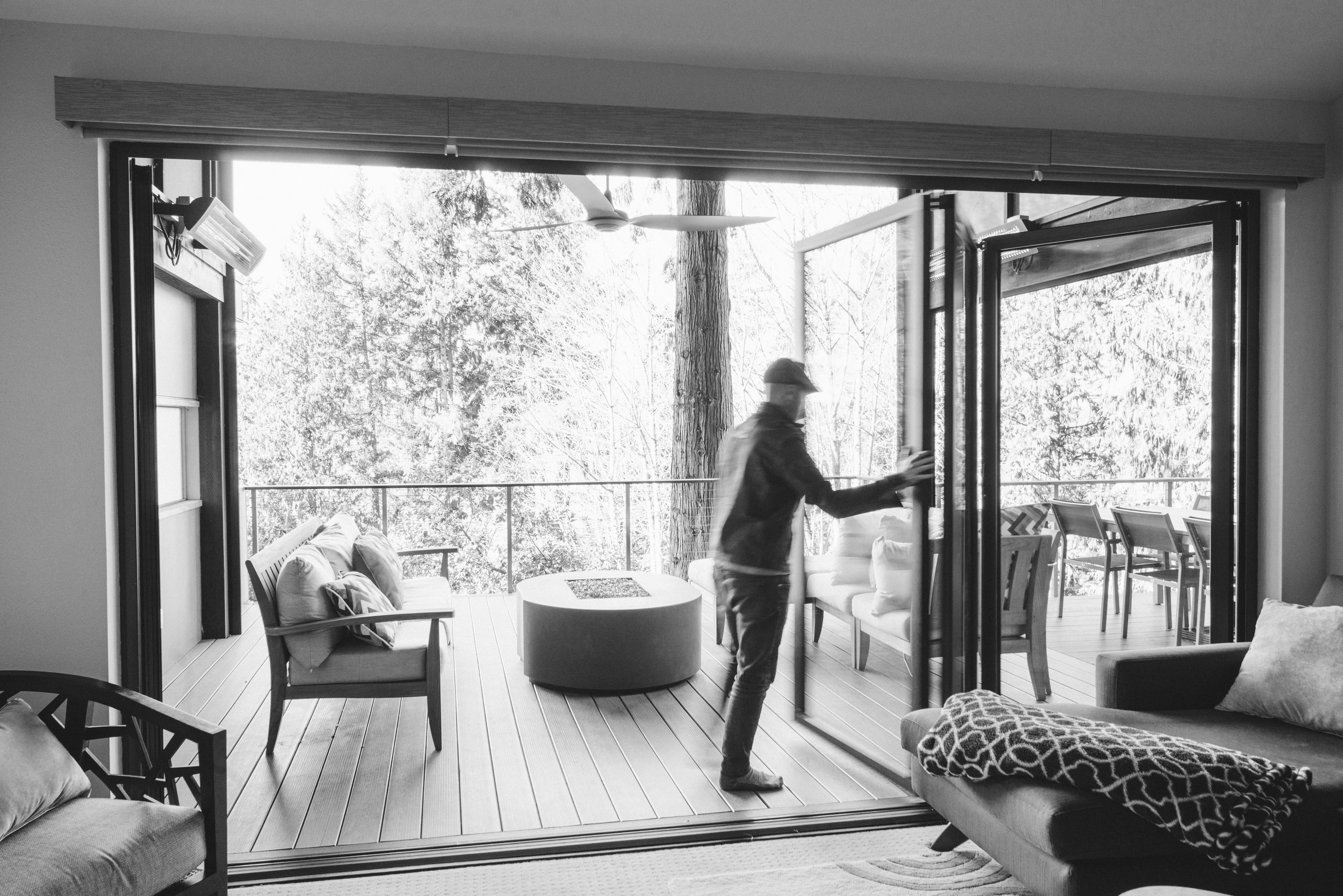
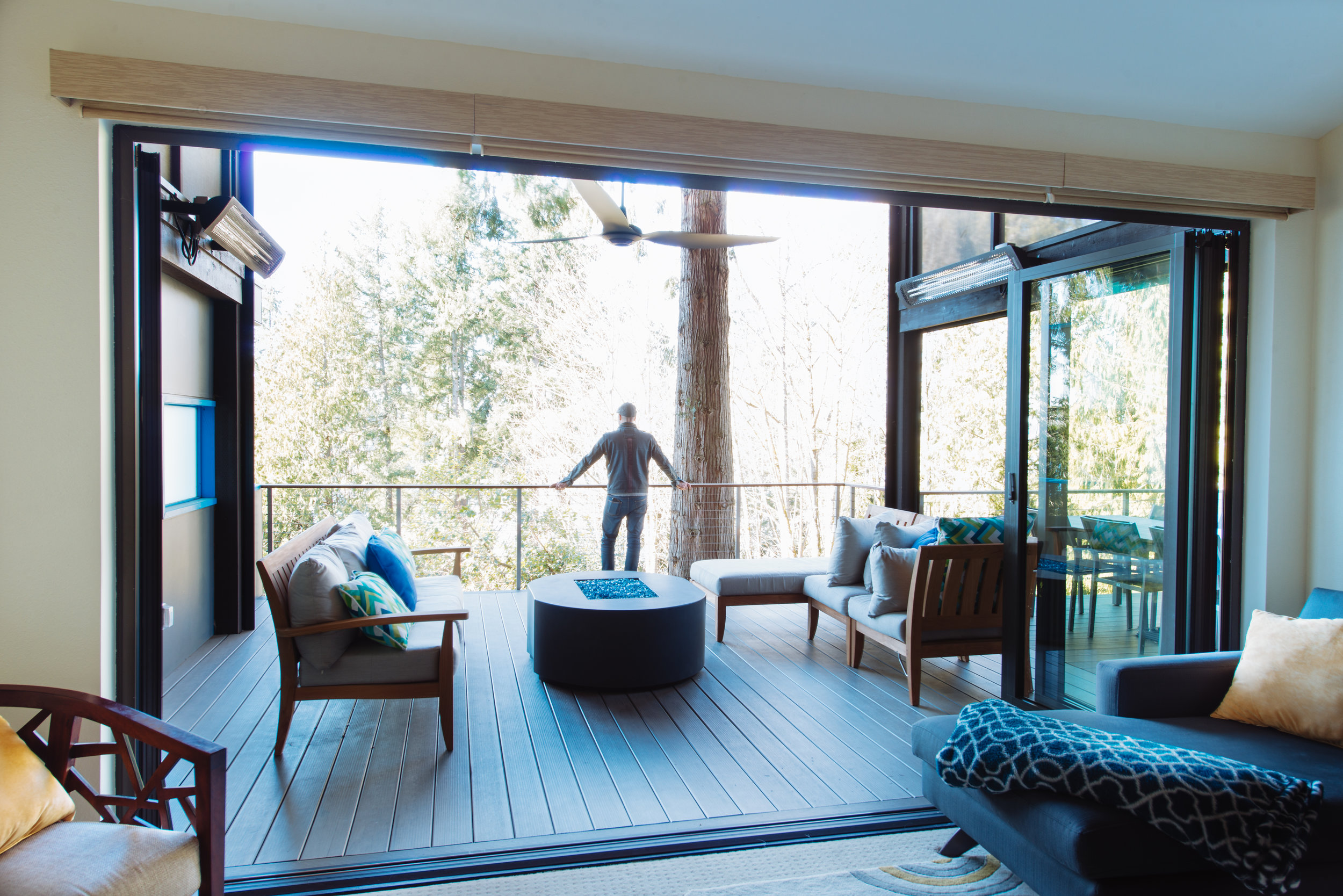
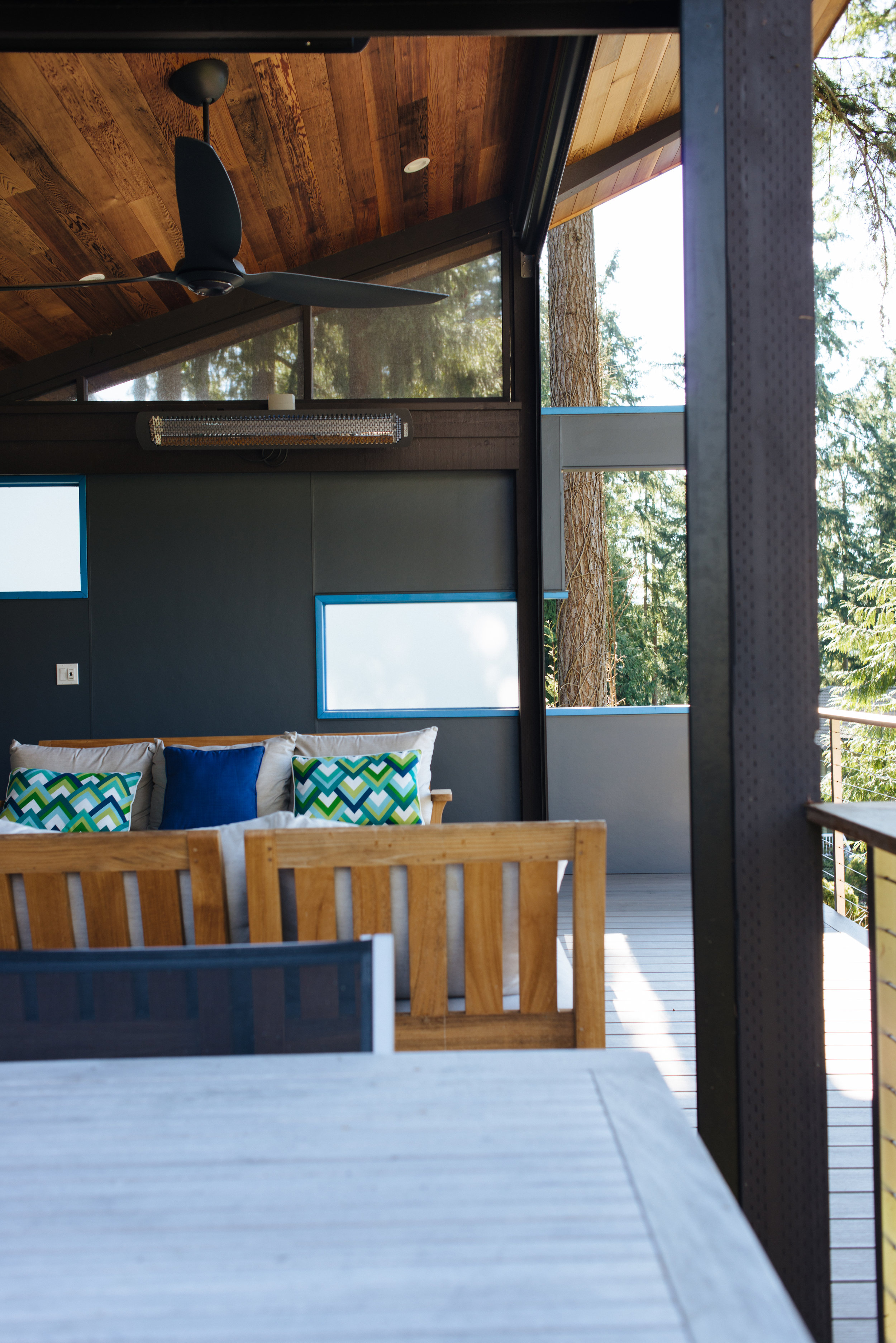
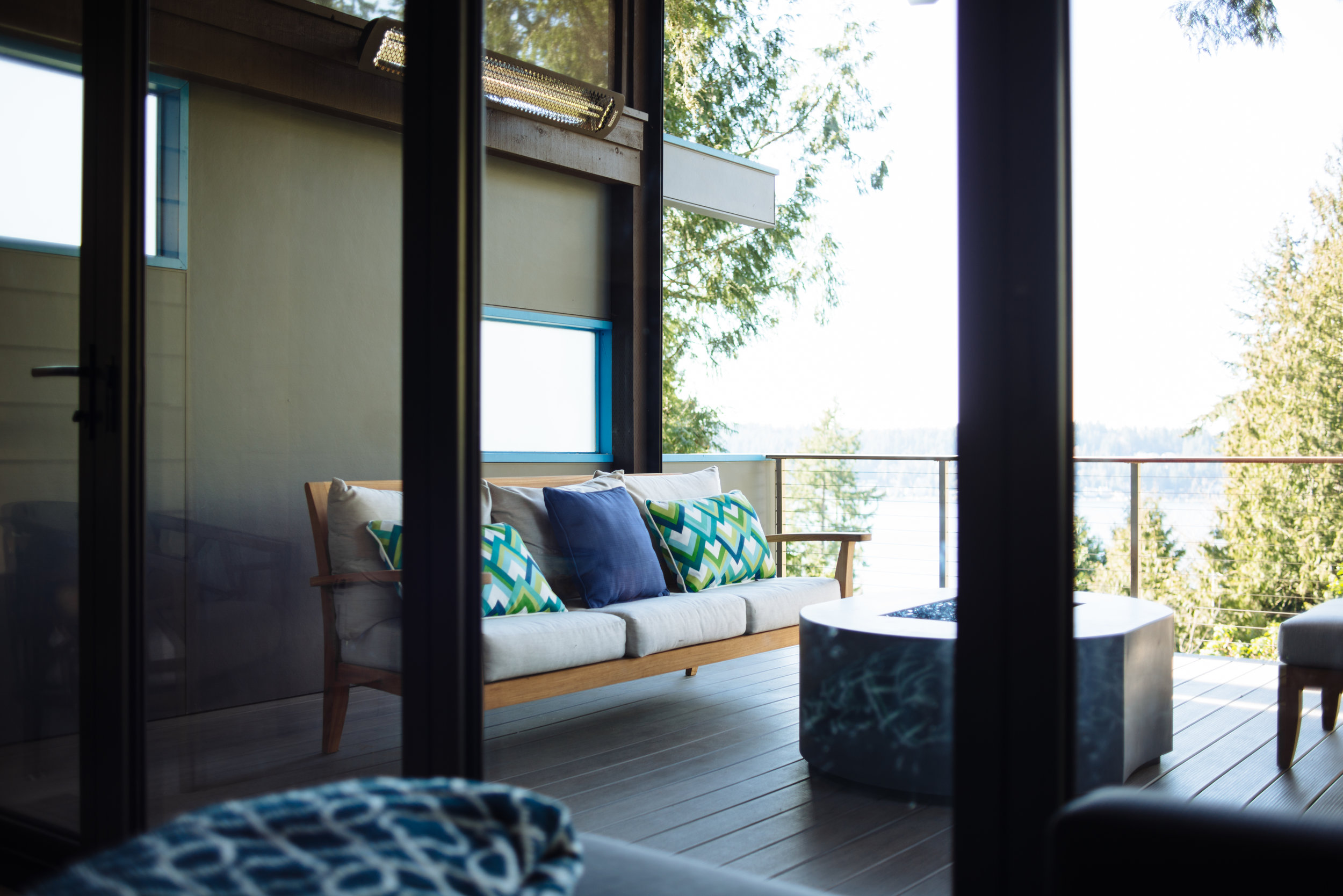
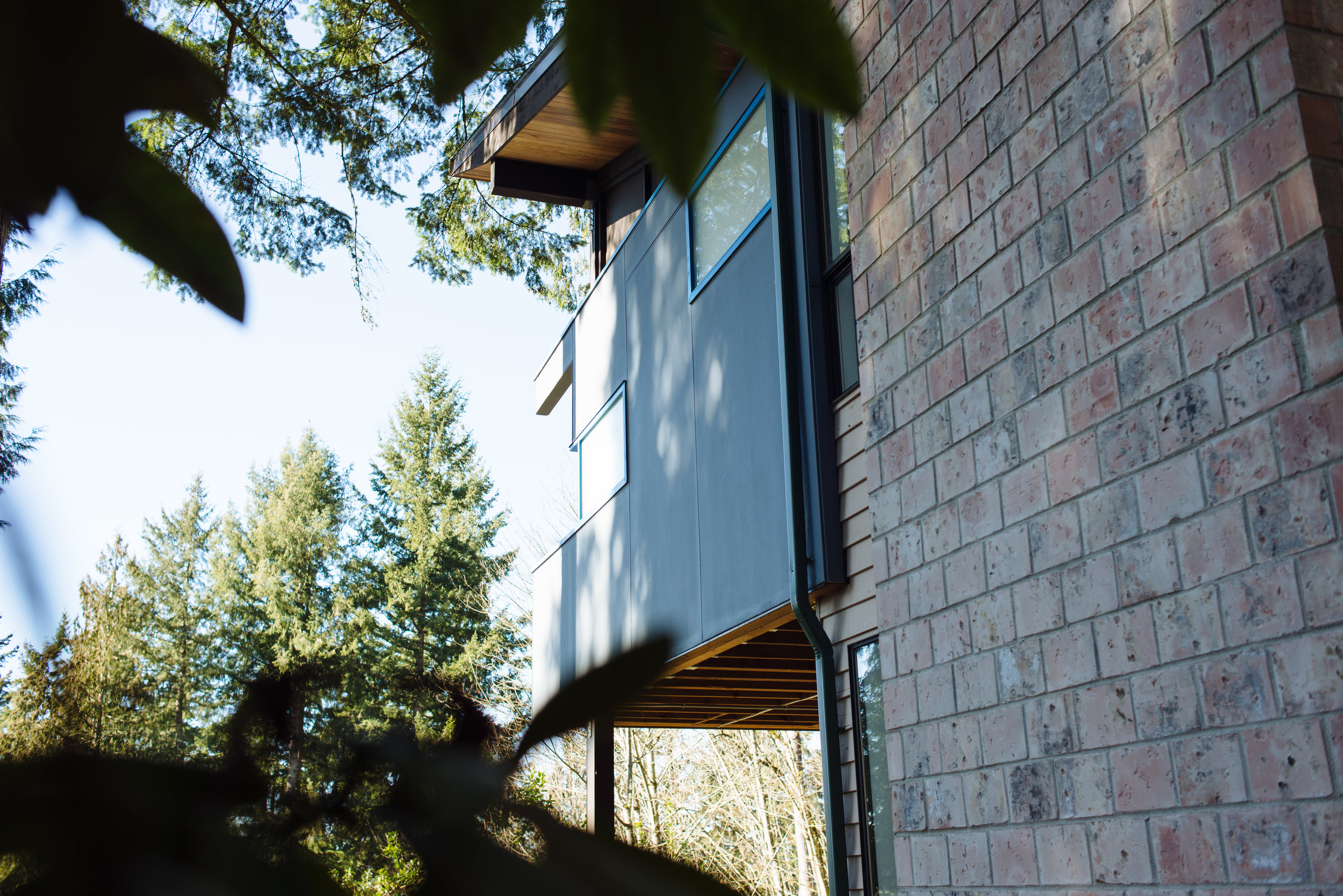
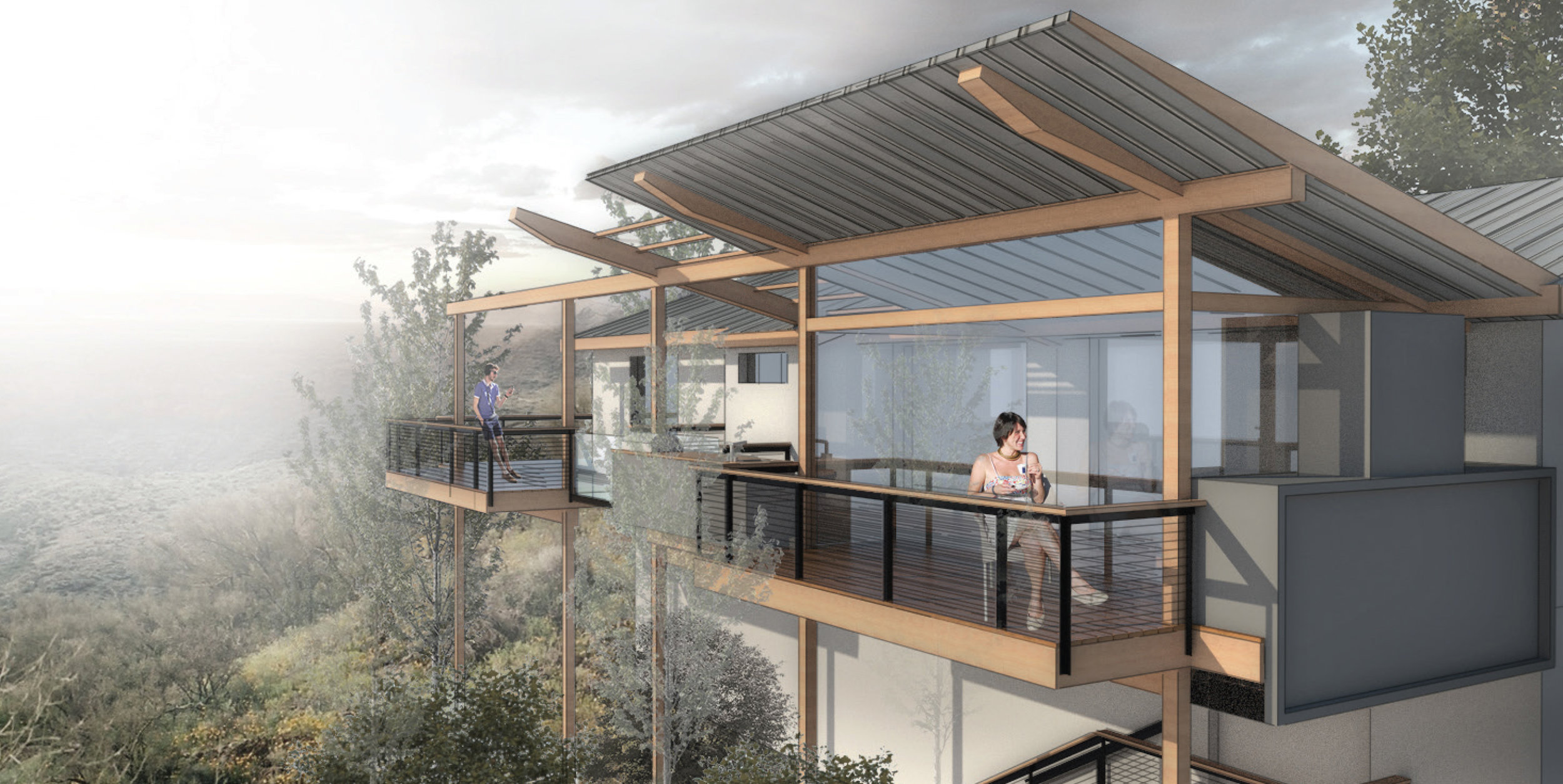
I definitely enjoy designing buildings, and that makes it hard to say “no” to a project. Many architects and builders will shy away from smaller projects because they are not the best for the bottom line, but I see them as more of an opportunity. This deck project is not “just a deck” to me. It is a way to connect a family from the indoors to the outdoors on a regular basis.

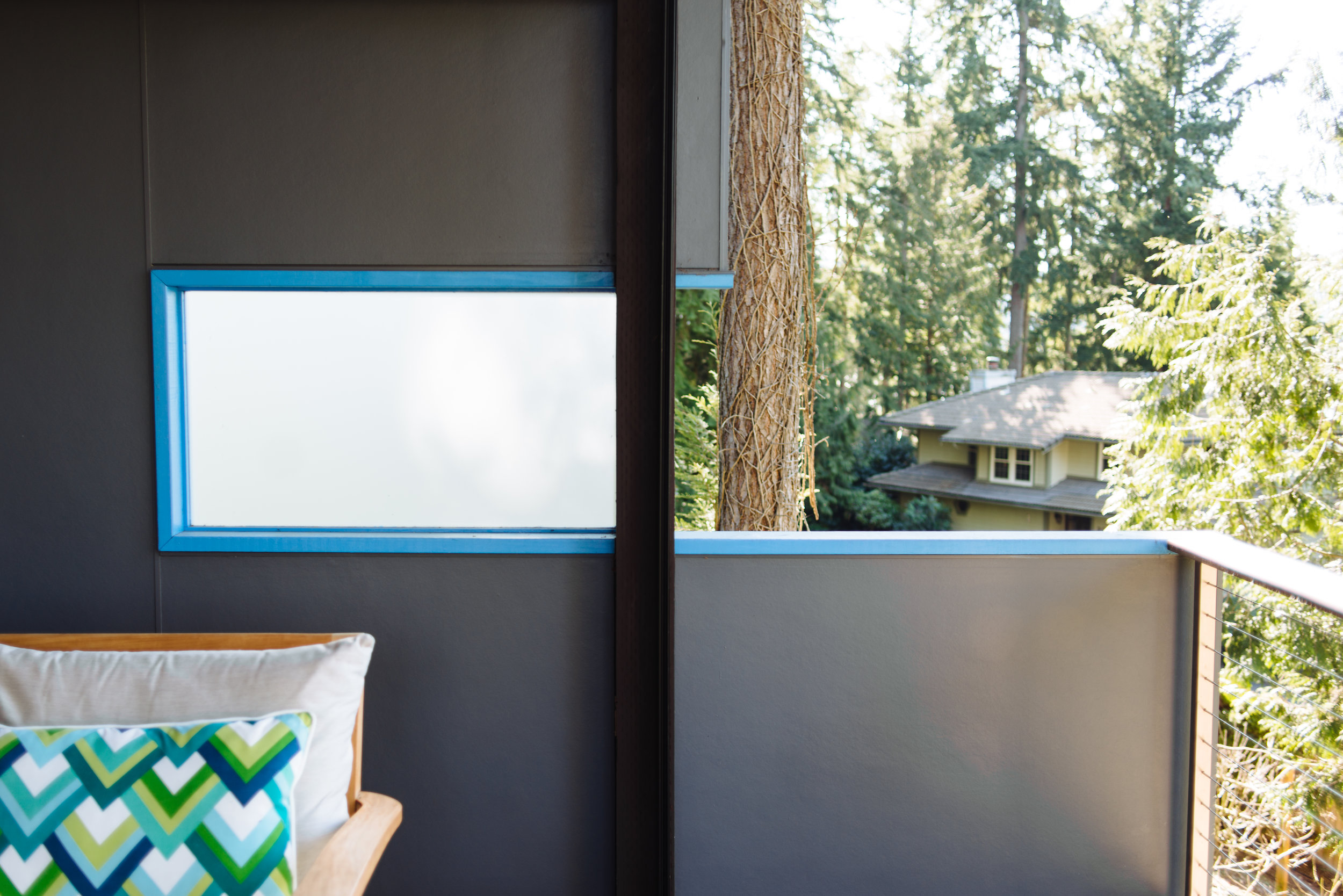
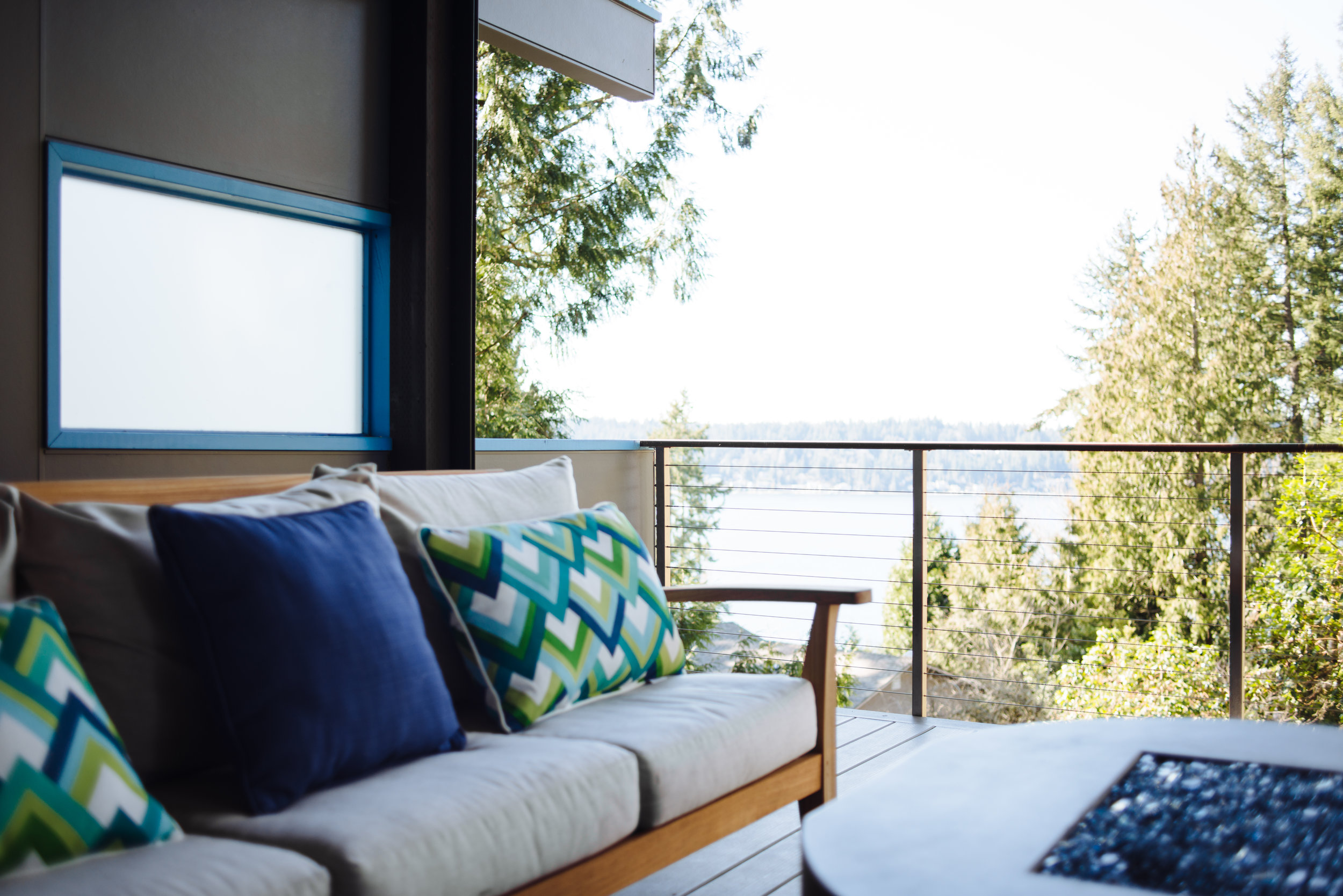
This deck is an extension of their kitchen, dining, and living room. The accordion doors allow an entire wall to open completely onto the deck which is perched above the rear yard looking out onto Lake Sammamish. The deck features a gas fireplace, BBQ, overhead heaters, a privacy accent wall, and motorized screens integrated into the structure.

Here’s some photos to enjoy:


If you’d like to learn more about our design process, visit www.josharch.com/process, and if you’d like to get us started on your project with a feasibility report, please visit www.josharch.com/help
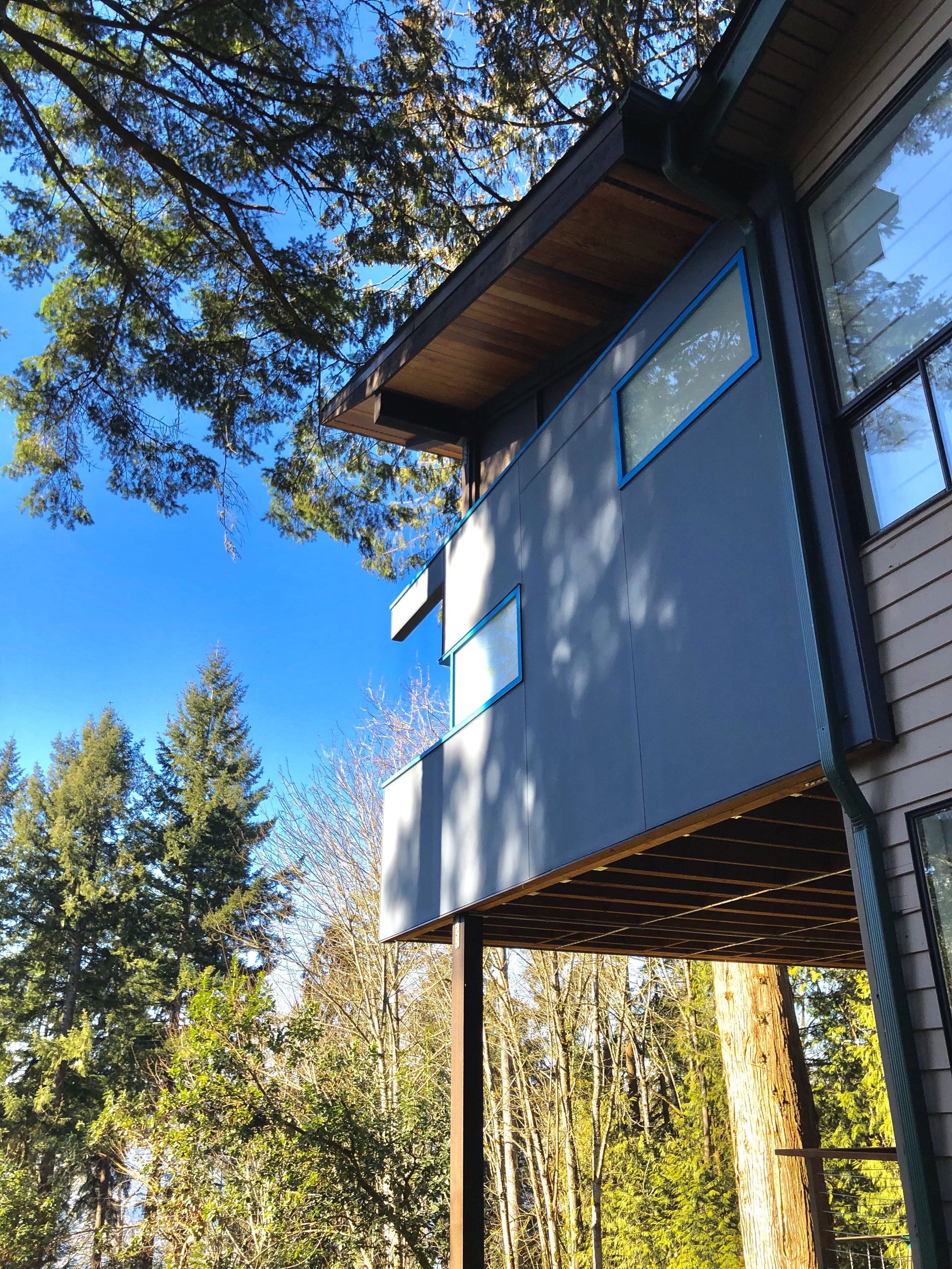
Ordering windows is always a shit show by Josh Brincko

Windows may seem simple. They are not. There are many types, formats, makes, models, materials, codes, etc. Each window you order has dozens of options. Here is an example of just one window on a window order (what language is this?):

window+quote.jpg

Let me first explain the basics of windows starting with how they operate (listed in order of low to higher cost). Fixed, also called “picture,” don’t open. They are “non-operable.” Single hung windows have two “sashes” inside a frame, and one sash slides up and down while the other sash is fixed. A sash is the part of the window that moves, so you can open it. Since the sash on a single hung window only slides up and down over the fixed portion, you can only open half of the window at a time. When it’s open, you now have two layers of glass to look through. When it’s closed, you have a sash obstructing your view halfway through the window. This is my least favorite type of window. Next is a slider that works the same as single hung, except it slides sideways instead of vertical. (Also not my favorite.) Double hung windows are the same as single hung, except you have the flexibility of moving both sashes up and down. Sliders, single, and double hung windows all limit your view out, daylight in, and amount you can open your window for ventilation which is counter-intuitive as to why you wanted a hole in the side of your house in the first place.  Awning windows have no obstructions. The whole sash opens outward with a hinge along the top. The good part is they act like an awning and block the rain while opened, but they usually only open about 45 degrees (so you really cannot push them all the way open). Hoppers are similar to awnings, but the hinge is on the bottom making them tilt outward like a funnel gathering rain to flow into your house. For this reason, many window manufacturers don’t make them, but they are good for venting steam from a shower, for example (if you have large roof overhangs). Casement windows are the last type. These hinge from the side like a door. They have nothing obstructing your view, and you can open them all the way to maximize your ventilation and your view. Just be sure that if they swing out, they don’t hit some other part of your building or into a walkway. These work well for emergency egress windows since they provide a large opening. Some window manufacturers are quite limited in the size they can make casements, however, since they become more unstable as they get wider. Ok, those are all the common window types. 

Next we will review materials (listed in order of least expensive to most expensive). Vinyl windows are clunky and commonly used because they are the cheapest. You get what you pay for. The frames are so thick because vinyl is not a strong material. They also warp in the heat of the sun. The thick frames and thick sashes leave little glass leftover. They are also usually limited in color to white and other light, neutral tones. Spoiler alert... we see white windows EVERYWHERE. Why is that? It’s because developers are slamming up one cookie cutter home after another, and they are buying the cheapest materials they can. Take some time and look around in design magazines, look in nice neighborhoods, and look at architects’ websites. You will not see many white windows. You will mostly see black windows (or some other dark color). The dark color looks nicer because it blends in with the glass which makes the window look more elegant and not clunky. It blends in better with the glass since glass is perceived to be black. Go ahead, look at the homes across the street. Notice how dark the glass is (unless they have lights on at night). White windows contrast this too much and stand out like a sore thumb. Back to materials... Fiberglass is similar to vinyl, but it’s stronger and therefore the frames and sashes are thinner. You can also get dark fiberglass. These are a great option for nice windows at a low price point. Some manufacturers will even put a wood veneer on the interior surfaces, so you can paint or stain them and have the look of wood inside without the durability issues of wood on the outside. Wood windows are another option. This is the most traditional type of window, but they are becoming less commonly used because they are expensive compared to vinyl and fiberglass, and they require more maintenance. Wood windows look great though. There are lower price point wood windows with thick, bulky frames, and there are higher price point wood windows with very thin, elegant frames that work well in modern homes. Another material option is wood clad. This is simply a wood window covered with aluminum on the exterior, but it does not actually look like aluminum since it is perfectly wrapped around the profile of the wood. Most people cannot tell that it’s not wood - even from close up. The aluminum cladding offers the longevity and durability while still giving you the warm look of wood on the inside and outside. Another window material is aluminum. The price point can vary from less than wood to more than wood. Aluminum windows have come a long way since the ones you remember in the 80’s with sweaty condensation forming on them. Today’s aluminum windows now have a thermal break, which is a concealed layer of polymer that separates an interior portion of aluminum from an exterior portion of aluminum. This inhibits the heat transfer from inside to outside, and it makes aluminum windows energy efficient (and expensive). Aluminum windows are great because they require no maintenance, and their frames are very thin which maximizes the amount of glass, creating nice, clean lines. The next window material is steel. This is the most expensive material since they are basically custom fabricated out of raw steel. Since steel is so strong, they result in very thin frames of less than an inch commonly. These are very striking windows, but they are not energy efficient. The final material for windows is actually no material at all: stopped-in glass. Stopped glass is simply buying a piece of glass (double-paned) and building your own frame around it within the building. Instead of buying the window frame from a manufacturer, you just use trim to attach the glass to the structure of the building. This gives you the cleanest lines since there’s no visible frame. This is common in mid-century modern architecture. This brings us to our next topic: glass. 

When you buy windows, you are not really buying the glass. You are really buying the frame and sash. The window manufacturers build the frames, then they buy glass to “glaze” into the window frames. They are mostly buying glass from two glass manufacturers: http://www.vitroglazings.com/en-US/Glass/Architectural-Glasses.aspx and https://www.cardinalcorp.com/. I favor Cardinal glass for a few reasons. They offer a better warranty, and their product is less likely to fog (in my experience) between the two panes of double-paned glass. They also seem to get better u-values (this is the measurement of thermal efficiency). They offer a few different glass types that range between a balance of best thermal efficiency, best visibility through the glass, and best limitation of solar heat gain. Cardinal’s i89 coating is a nice balance between thermal efficiency without too much noticeable discoloration to the glass. I also suggest specifying black spacer bars between the two panes of glass. This black spacer bar is more efficient than the aluminum ones that are more commonly used, and the black is also less visible. Any manufacturer can do double-pane and triple-pane glass. Single-pane is not typically done anymore. You can also specify a temporary protective film to be applied to your glass to protect it during construction. It is also important to specify whether or not the glass must be tempered. In certain situations such as in bathrooms, near stairs, near doors, and large panes of glass, safety glass is required by code. Tempered glass will safely shatter like a windshield where sharp shards of glass don’t fall into your lap in a car accident. Additional code requirements relate to egress and energy code. The glass and the window frame must be tested together to achieve a certain u-value, and the energy code must be consulted to determine what u-value is required in your situation. The building code must be consulted to determine which windows must be sized for egress to be large enough (when open) and positioned properly, so a firefighter with an oxygen tank can carry you out of a window when you are passed out from smoke inhalation in a fire. This may seem easy to appropriately size a window, but all manufacturers have different limitations on the sizes they can make for operable windows that meet egress requirements. 

Some additional features that must be decided upon with windows is the hardware. Hardware comes in different colors, different materials, and different styles. For example, the little roto-crank you turn to open a window can be an oil rubbed bronze in a traditional looking style, or it can be white plastic with a more modern style. Or you could eliminate the crank and install your own lockable pushrod or some other hardware that prevents your casement window from slamming open or shut in the wind. Screens are another option. The screen can come in different colors, and so can it’s frame. It can sometimes be hinged, retractable, or removable. Windows can also be separated into different panes of glass (known as lites). The option to install “muntin bars” on your window makes them look more traditional. When glass was first invented, the pioneers could really only make it about the size of a sheet of paper before it got too frail and would break. For this reason, they put muntin bars between several window lites to enable the overall window to be bigger. Today, we can either simulate this, or do it for real. “True divides lites” (TDL’s) have real muntin bars that separates each lite of glass. This is expensive, but it is authentic. You can also fake it by putting simulated muntin bars either between panes of glass or on the interior and/or exterior surface. This looks fake when you look up close. When you have the bars between the panes of glass, it looks even more fake from afar since the glare on the glass does not create a shadow line on each muntin bar that would traditionally be on the surface of the glass instead of between the two panes. Other options you may find on the window order include the shape of the window frame/trim, thickness of the wall it will be installed within, colors, wood species, pre-finished/painted, and so much more.

With so many options, requirements, and technical issues relating to windows, it is appropriate to acknowledge that ordering windows is a major task, and it is also very iterative. Ordering the windows at the right time of the project is crucial too. In some situations where precision is not required, the windows can be ordered before the walls are built (and the walls can be built based on the window order). In other situations, the windows must be ordered AFTER the walls are built, so precise measurements of the walls can be taken to facilitate ordering windows of a very specific size that allow the desired alignments with architectural features such as trims, beams, adjacent doors, etc. This leads to a slowdown in the project schedule, but there’s no way around it when precision is desired. It is important to visit window showrooms and test the different window products, so you can see how they look and feel. The architect and window suppliers go back and forth dozens of times (usually resulting in over 100 emails/calls) to fine tune the window order to get each item correct for the capabilities of each window manufacturer, so you may compare the costs, pros, and cons of each item before signing on the approval line. Windows are one of the biggest material purchases for your project, so it is very important to dedicate the time necessary to get it right. 

If you’d like to learn more about our design process, visit www.josharch.com/process, and if you’d like to get us started on your project with a feasibility report, please visit www.josharch.com/help