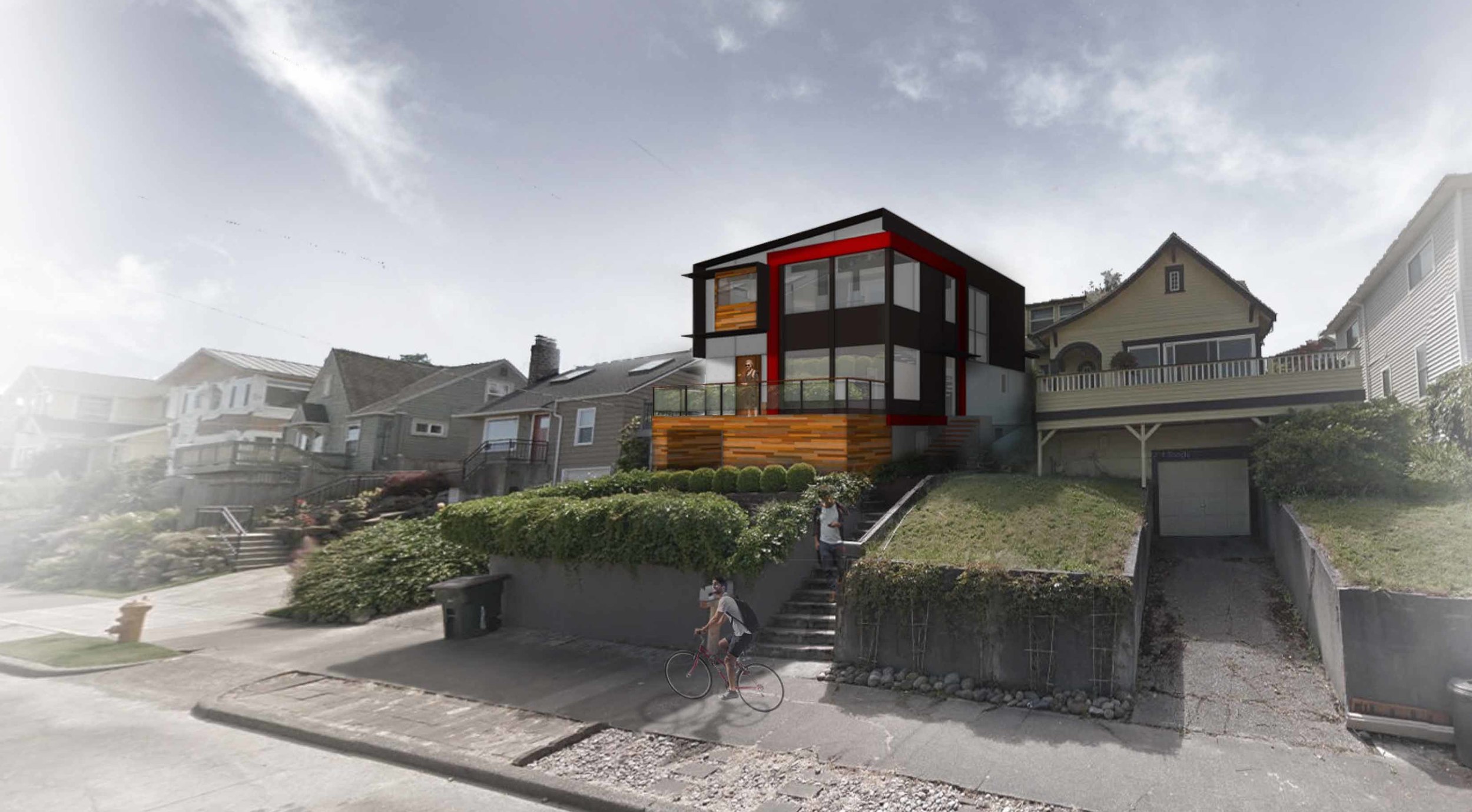
He's Not leaving Without a Permit. by S. Joshua Brincko

I walked into the building department with the intention of getting one of the most simple building permits I have ever had to get: an STFI permit, or a "stiffy" as we call it in the trade. This stands for "Subject To Field Inspection." It's a permit where the building department just hands you a permit "over the counter" for a project that's so small in scope that there's barely anything for them to check into. This is much better than waiting months for them to review your plans. I was helping a builder/friend get the permit to finish out a portion of his brother-in-law's basement to someday use it as a rental. This is called an ADU (Accessory Dwelling Unit).

I knew going in that ADU's don't qualify for stiffys. I also knew that you could rent out a non-approved ADU and not be fined as long as you submit the ADU paperwork within one year of using it as an ADU. So my approach was to design the space as ADU, not call it an ADU (yet), take advantage of the quick/simple stiffy permit process, and later fill out the ADU application once the client was ready to actually begin using it as an ADU once construction was complete (pursuant to all the regulations and policies the building department has in place). 

Upon turning in the drawings, the building plans reviewer quickly said, "this won't qualify as a stiffy since you're doing an ADU." I said, "it's not an ADU. It's just additional living spaces in the basement accessible to the main floor - just as it always has been in this existing house." The reviewer said, "well, it LOOKS like an ADU, so it won't qualify for a stiffy." I replied, "I don’t care what you think it looks like…it's not an ADU yet, the goal is to turn it into one someday, it does not match the definition of an ADU yet as it is defined in the land use code, and it does not matter what it LOOKS like - it matters what it IS." The reviewer responded, "I'm getting my manager."

After awhile, the manager arrived and engaged in some small talk with me. We discovered we are both from Ohio, we played hockey in some of the same ice rinks, and he asked which city I'm from. I said, "Youngstown." He said to his coworker, "Youngstown. Ok. This guy is tough. He's not leaving here without a permit." Next he asked me, "what's the problem here?" I told him, "this guy cares more about his opinion than he cares about enforcing the codified ordinances of the municipal code which is the sole purpose of his job. I'm here to follow the rules. The rules say my client is allowed to get a stiffy. The rules say my client is allowed to convert this project to an ADU whenever he wants. The rules say you can't fine my client even for illegally using his project as an ADU as long as he fills out the paperwork within one year of doing so." The reviewers glanced at each other and then at me. The manager said, "cross off the kitchen appliances from the drawing and process his stiffy. Expect him to fill out the ADU form within a year."

Growing up in the rust belt of Ohio set the tone for this interaction. The manager knew I beat the odds to come from one of the fastest shrinking, crime-ridden cities in the country. Youngstown has been a depressed area since its prominent steel industry moved overseas decades ago leaving many of its residents without jobs. My dad and his dad worked in those steel mills. Lucky for me, my dad put himself through school at nights to make a better life for himself and for me. This work ethic became part of my DNA. The building plans reviewer knew I had overcome much bigger problems than getting a simple permit, and he knew I wouldn't accept “no” for an answer just to leave with my tail between my legs. I must admit that coming from a tough town does make you stronger. I don't expect anything to be given to me, and I expect to work hard for everything that I have. I'm thankful to have earned this work ethic. 

 If you’d like to learn more about our design process, visit www.josharch.com/process, and if you’d like to get us started on your project with a feasibility report, please visit www.josharch.com/help

What Makes a Good Builder? by S. Joshua Brincko

Matt Karlstrom, master craftsman and owner of KarlstromBuilt. This guy has an eye for detail, the skill to build it, and a "no-compromise" work ethic. People say, "don't sweat the details." Matt sweats the details. He has the rare patience to truly …

Matt Karlstrom, master craftsman and owner of KarlstromBuilt. This guy has an eye for detail, the skill to build it, and a "no-compromise" work ethic. People say, "don't sweat the details." Matt sweats the details. He has the rare patience to truly exceed expectations.

This depends on what you are trying to achieve. Are you a developer who wants to build something fast and cheap, so you can sell it quickly and maximize your profit? Are you a first-time homeowner with a stretched budget who just wants to make the new house a bit more livable? Are you looking for a truly innovative home with all of the details fine tuned to your liking? Each of these examples are drastically different, and their are builders out there who specialize in achieving those results. Regardless of the type of project, there are some qualities that any good builder will have that you could look for:

1. Personality: This is key. Once you follow the tips you will read below, fundamentally, this is the only discernible difference between qualified builders. They are all calling the same plumbers for bids, buying the same materials from the same suppliers, and referencing the same set of plans, so their prices should all end up nearly identical as one another. If not, you should certainly ask why they are so high or so low compared to other bids. You will be working with this person every single day in person, over the phone, and through emails. You will definitely want to ensure you will ENJOY working with this person. If you wouldn't enjoy going out to dinner with the builder, then don't hire them. It's probably worth taking the prospective builder out to dinner to see if the relationship works. A personality that resonates with you will nearly guarantee a good working relationship. This personality is responsible for tearing your house apart, making it dusty, spending your life-savings, explaining mistakes and solutions to fixing them, and ensuring the design intent is met or exceeded. It's a tough journey, and you need a friendly guide to get you through it.

2. Flexibility: Construction is full of surprises. It is not possible to foresee everything that can come up: rot in walls, damaged material deliveries, postponing a plumber due to illness, changing your mind on design features, realizing better options, longer than anticipated lead times on product orders, a freak wind storm during roofing, etc. You want a builder who can be flexible as surprises happen. This is all part of the process. Some builders make such a big deal out of these things and start whining about them like a little kid. Other builders just see these as part of the process and quickly fix them rather than painting pictures of doom and gloom which causes you unnecessary stress. In interviewing builders, they will all carefully tell you about cost overrides resulting from unforeseen circumstances, so why should they get all beat out of shape when these unforeseen circumstances actually arise? They should be expected, and the good builders see this as part of their job, put their heads down, and get the job done without unnecessary complaining. A good builder is really like a concierge at a hotel...they explain everything as thoroughly as needed, and they point you in the right direction. These builders wear many hats. When they are adjusting some studs, they aren't afraid to move a little plumbing or electrical. They just make things happen. There's a lot of builders out there who will stop work, schedule an electrician to move an outlet of their way, and waste a week of time. The good ones know when it is appropriate to wear more than one hat, and they get the job done. 

3. Ownership: The best builders treat your project like it is their own. When the job is finished, they look at a bump in the wall, and they take it upon themselves to fix it. They know it could have been done better, and they own that mistake by undoing it and resolving it. These builders live, eat, and dream your project. They text you on the weekends when they come up with an idea. They offer cost-saving alternatives when appropriate. They don't charge you extra for supplies that they have leftover from some previous job. They build the project the same way they would build their own homes. They take your problems and treat them as their own problems. 

4. Inquisitive: The best builders are VERY inquisitive. They ask a lot of questions, they anticipate many answers to those questions, and they already have solutions prepared ahead of time. They read the architect's drawings very carefully, they ensure they understand the intent, and they partner with the architect to make it a strong project for both of their portfolios of finished work. These builders don't just make assumptions and start building. They pick up the phone, talk through complicated issues with the architect, text photos of the construction conditions, they ask for more details in the planning, and they carefully make it happen. This careful attitude makes the architect look successful, it makes the builder look successful, and this simply makes the project successful. Beware of a builder who does not want to involve the architect during construction. They know architects can hold them accountable for their work, so watch out for a builder who says the project is straightforward and they can take it from here without the architect. That's a red flag. Maybe the builder doesn't always need an architect to help them build something, but the architect is needed to keep them accountable. The client does not always know what standard practices are, how long they should take, level of quality to expect, etc. A good builder relies on the architect to help mitigate these things to deliver the appropriate product to the client. 

5. Open: The construction process is a huge investment, and it is very challenging. A good builder will be very open about all billing, all scheduling, and even all errors they make during construction. Good builders know that total transparency in all of these aspects leads to more successful projects and happier clients. They take the time to carefully save receipts, document them, categorize them, tally the labor to install those products, and pass them along to the architect for review. The architect verifies whether or not the items are successfully installed according to the plans before advising the client to pay the builder for those specific aspects of the work. Good builders don't simply send you an invoice with a number on it (like hospitals), and expect you to pay. They are very transparent in their workflow and budgeting. They understand they are spending your money and your time.

So how do you ensure you get a builder with these qualities? It will take some time on your behalf to ask all the right questions, spend adequate time with them, interview their previous clients, and to take the advice of your architect, friend, or relative who recommended them. I have worked with many different builders, and I have pre-qualified certain builders for certain project types. Once I get to know your personality, I offer suggestions for builders who will be a good match for you, and I work with them very closely to ensure a successful outcome. 

If you’d like to learn more about our design process, visit www.josharch.com/process, and if you’d like to get us started on your project with a feasibility report, please visit www.josharch.com/help

Permit Drawings Compared to Construction Drawings by S. Joshua Brincko

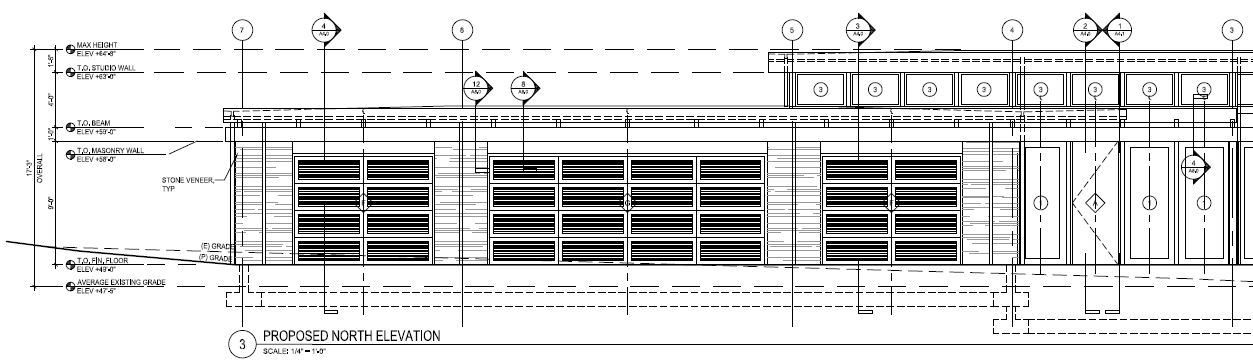
Example of a simple elevation drawing for permitting purposes (does not explain much to the builder)

Example of a simple elevation drawing for permitting purposes (does not explain much to the builder)

The honest truth is that permit drawings are basically useless. They tell you the approximate size and shape of a building, but they do not actually communicate any specific information to enable a builder to build it. A set of permit drawings are just the basic drawings that comply with a building department's checklist to verify the building is allowed to be built on the property, and it also shows it will meet the most minimum standards of safety and energy efficiency. Other than that, additional construction drawings are necessary to describe the construction details and materials to the builder. The building department is not concerned with higher levels of detail. 

Example of a construction drawing (explains heights, materials, and cross-references for other construction details shown on other drawing sheets)

Example of a construction drawing (explains heights, materials, and cross-references for other construction details shown on other drawing sheets)

Construction drawings focus on the minute details like the attachment of a stair tread to a stair stringer as well as larger items like the exact specification of a window, door, or countertop. The building department typically does not care what kind of stain you are using on your cool staircase or whether your stone countertop is honed or polished. They don't even need to know the exact size of various items, so we tend to round up to allow ourselves more flexibility during construction. Since they don't care, we don't show this information on permit drawings. This is not because we are lazy. It is more about the efficiency of the process. First, everything in a set of permit drawings is public record, and the city charges you money to review the drawings. If we include information beyond their basic checklist, it will take longer for them to review and cost more money for their review time. They may also start to unnecessarily scrutinize the type of marble you specify which wastes everyone's time. Additionally, drawings constantly change throughout the process of design AND construction for any number of factors: changing codes, budget constraints, technological product advancements, realizations of new opportunities during construction, discontinued materials, materials with long lead times, changing schedules, etc. There are so many factors that affect the final design solution that we simply do not even attempt to solve it in the permit drawings since they are so early in the design and construction process.

Example of a construction detail typically not included in a set of permit drawings (explains the materials, physical relationships, how they are layered, and concerns like waterproofing, insulation, and level of finish)

Example of a construction detail typically not included in a set of permit drawings (explains the materials, physical relationships, how they are layered, and concerns like waterproofing, insulation, and level of finish)

The reality is that most design solutions happen DURING construction. Sure, we do come up with the big idea in the start of the design process, but that big idea has literally thousands of decisions that need to get made before it manifests itself as a real building. For example, on a set of permit drawings, we simply draw a wall on a floor plan. The building department eventually approves that wall placement and its structural components. We still need to figure out what the ingredients of that wall may be. It may be the simplest 8' high 2x6 stud wall consisting of level 4 primed and painted 1/2" drywall on the interior, R21 batt insulation, and 7/16" plywood with felt paper and vinyl siding on the outside. OR, that same wall on the floor plan could have a 10' height leading up to a sloping ceiling with reveal reglets creating shadow lines, a 2x8 bottom and top plate with staggered 2x4 studs, R30 batt insulation, 1/2" polyiso board insulation with taped and sealed seams on the inside, 5/8" level 5 finish mold-resistant drywall with PVA primer and paint, and densrock exterior sheathing with wetflash waterproofing, 2" polyiso insulation panels, nailer strips, and standing seam aluminum Kynar finished siding. Each of these walls is code compliant and will pass the checklist with the building department, but this information is not exactly conveyed to the building department. It all looks the same on a floor plan. This information is later conveyed on construction drawings.

This level of detail is also completely communicated through other means with builders and suppliers during construction administration by the architect to help protect the client’s investment. This is the design phase that happens during construction. This is when the builder actually starts to order materials and install them. When materials are sourced, the supplier who sells them, the fabricator who crafts them, and the sub-contractor who installs them are all consulted to verify the integration of all of these different products and methods of construction are going to work successfully for each individual scenario in the building. What happens when this wall material touches a wood floor and a tile floor? What happens, when the countertop dies into this wall? How is a window jamb framed into the interior and exterior portions of this wall? How do you integrate the waterproofing into the foundation and different roof lines above this wall? The endless scenarios seem to never end. There are so many unique conditions that occur in a building that it is not possible to evaluate them all during permitting or other design phases when we don't know the exact budget, the exact builder, the exact sub-contractors, the exact fabricators, and the exact suppliers. All of these items come together as the project develops into a real building during construction.

Many clients like to plan for as much of this as possible ahead of time. This diligence can payoff, but decisions still change 100% of the time as the building progresses. Any factors that cannot be controlled will almost definitely have an impact on the decisions that are "set in stone." When these changes occur, more time is spent modifying the drawings to adapt to the newly encountered information. In some situations it makes sense not to plan certain things at all and just wait until construction commences to make the most educated decisions. Do you know the condition of your sewer line below the foundation where you may add the addition? Nobody does, and this could affect the entire approach.

In other situations, there is enough data available to make a solid decision, and we do create quite detailed drawings ahead of time. These enable the builder to provide a more accurate estimate for that particular scope of work. This extra information also empowers the builder to ask even more detailed questions to the architect which, in turn, causes even more detailed analysis and more detailed drawings to ensure it gets built properly. When deciding how thick to frame a plumbing wall in a laundry room, you may need to actually have the washer or dryer purchased and on-site to ensure the vent duct and plumbing lines frame in perfectly without protruding too far away from the wall and without interfering with the other plumbing, mechanical, and electrical items that may be located within that same wall. Only so much can be planned from reading the manual of an appliance before buying it. Of course you wouldn't want to buy and store a washer and dryer for a year before you actually need to install it, so for this reason, things like this really should wait until construction begins to really hash out the details.

You may wonder why the wall thickness really matters for encapsulating these utilities? Whats an extra inch here or there? Who cares if the dryer sticks out from the wall a bit? Well.....You might care if it affects the placement of a nearby door. You don't want to open that door and have it bump into your dryer. You also don't want to swing the laundry room door open and have it hit your opened dryer door. Even worse, you don't want to end up with a door not large enough to fit the dryer into the laundry room. All of these items are related, and they can only be planned so far in advance. The exact details typically get drawn on a piece of plywood by the architect at a jobsite meeting the day they are being installed long after permit drawings were ever created.

As an architect, we help you weigh out the pros and cons of planning too much or not enough. This relates to the level of detail you want to get into, the quality of construction desired, and the budget you are willing to spend. A little investment on design fees for planning always saves a lot more in construction costs when things do not get built ideally. We have the experience to know how to balance this risk and reward, we know when to hold the builder accountable for adhering to estimates for specific scopes of work specified in the drawings, and we know when it is appropriate to draw specific details or to save your time and money by not drawing certain details at all.

If you would like our help, please fill out our new project form at www.josharch.com/help to get us the information we need to perform a feasibility report for your property.

Also, please read through our design process page to learn how we help you go through the design and construction process at www.josharch.com/process.

Lastly, if you’d like to learn more about design and construction costs, here’s the calculator we use to help estimate these fees: www.josharch.com/cost. (This calculator doesn’t work on mobile phones or tablets, so you will need to get serious and hop on your computer)

Here's What Josh PS did in 2015 by S. Joshua Brincko

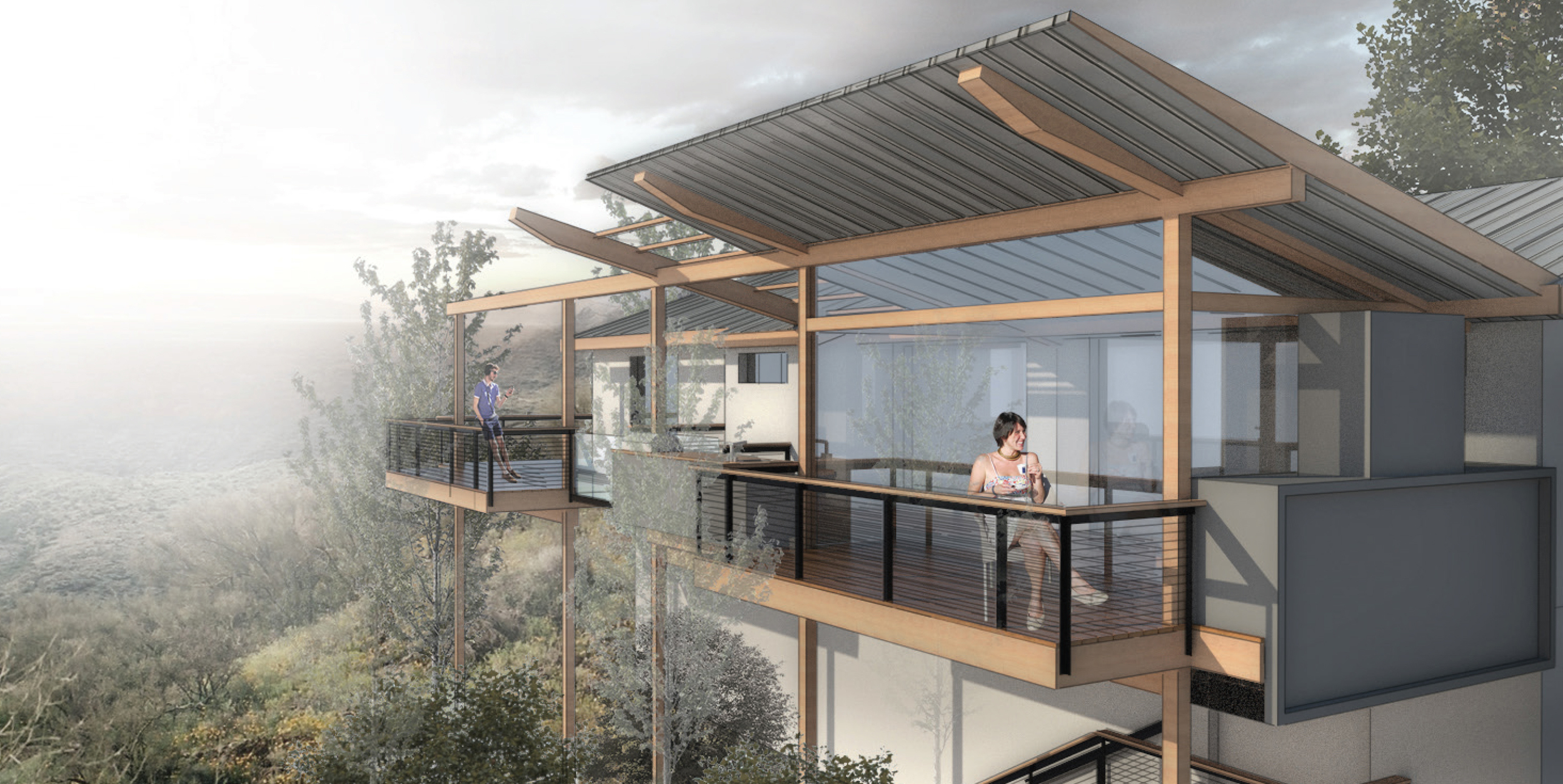
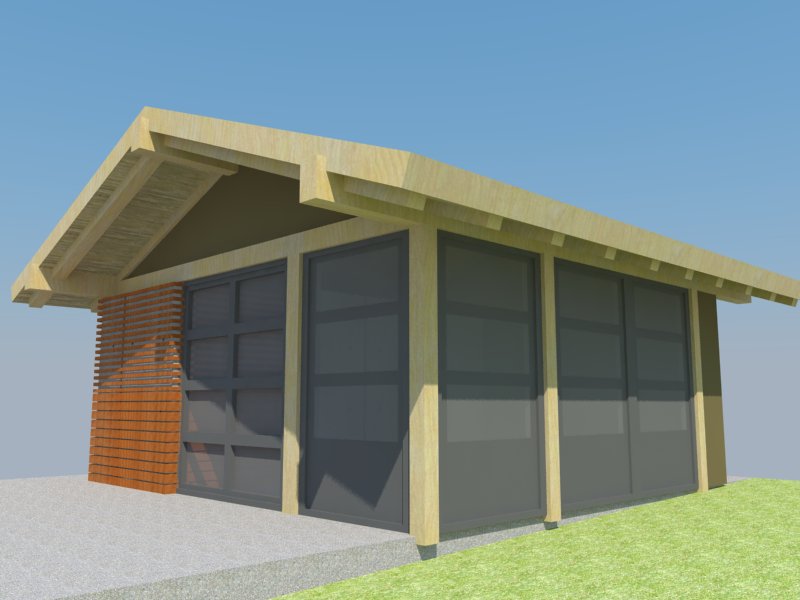
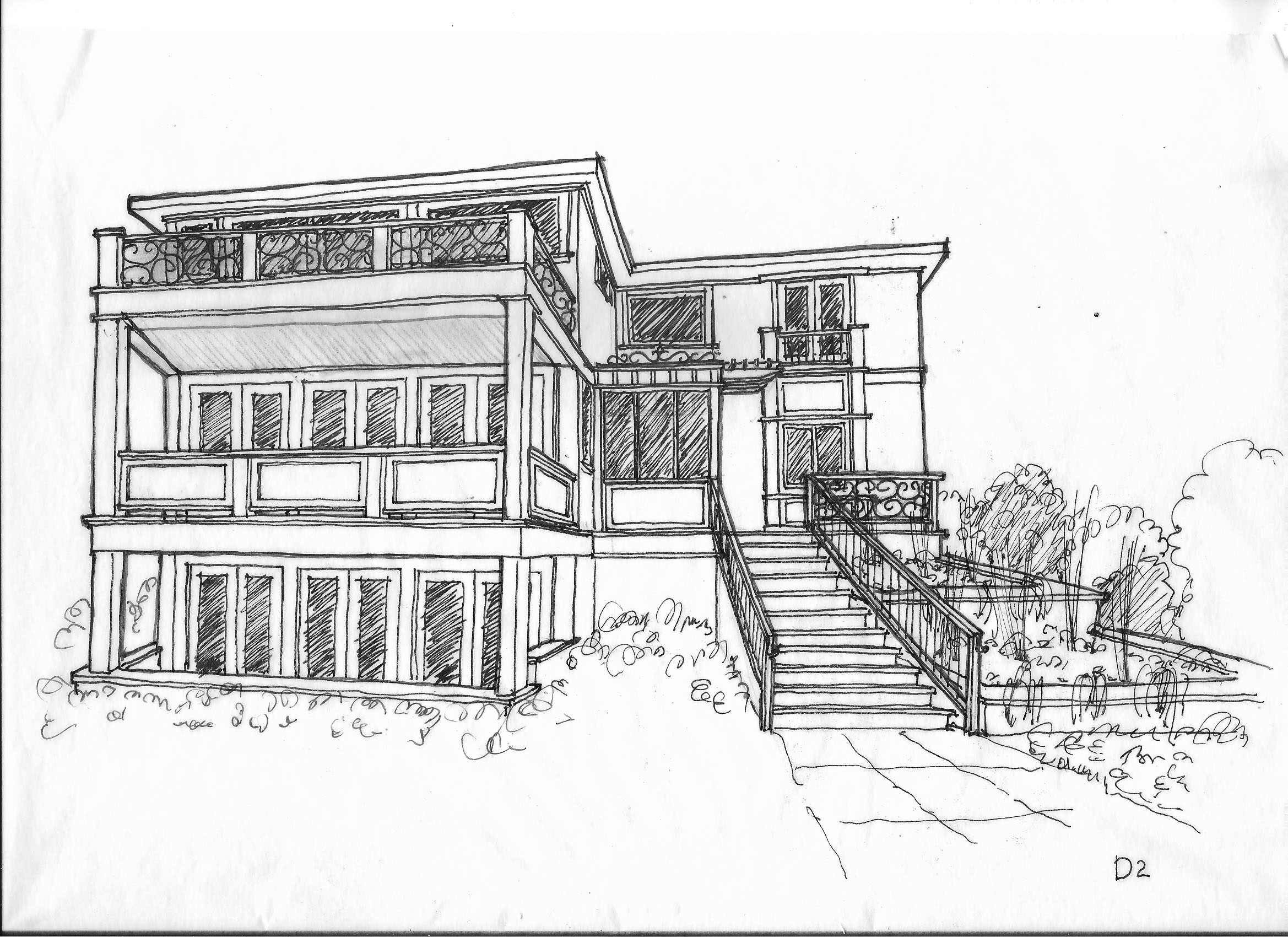
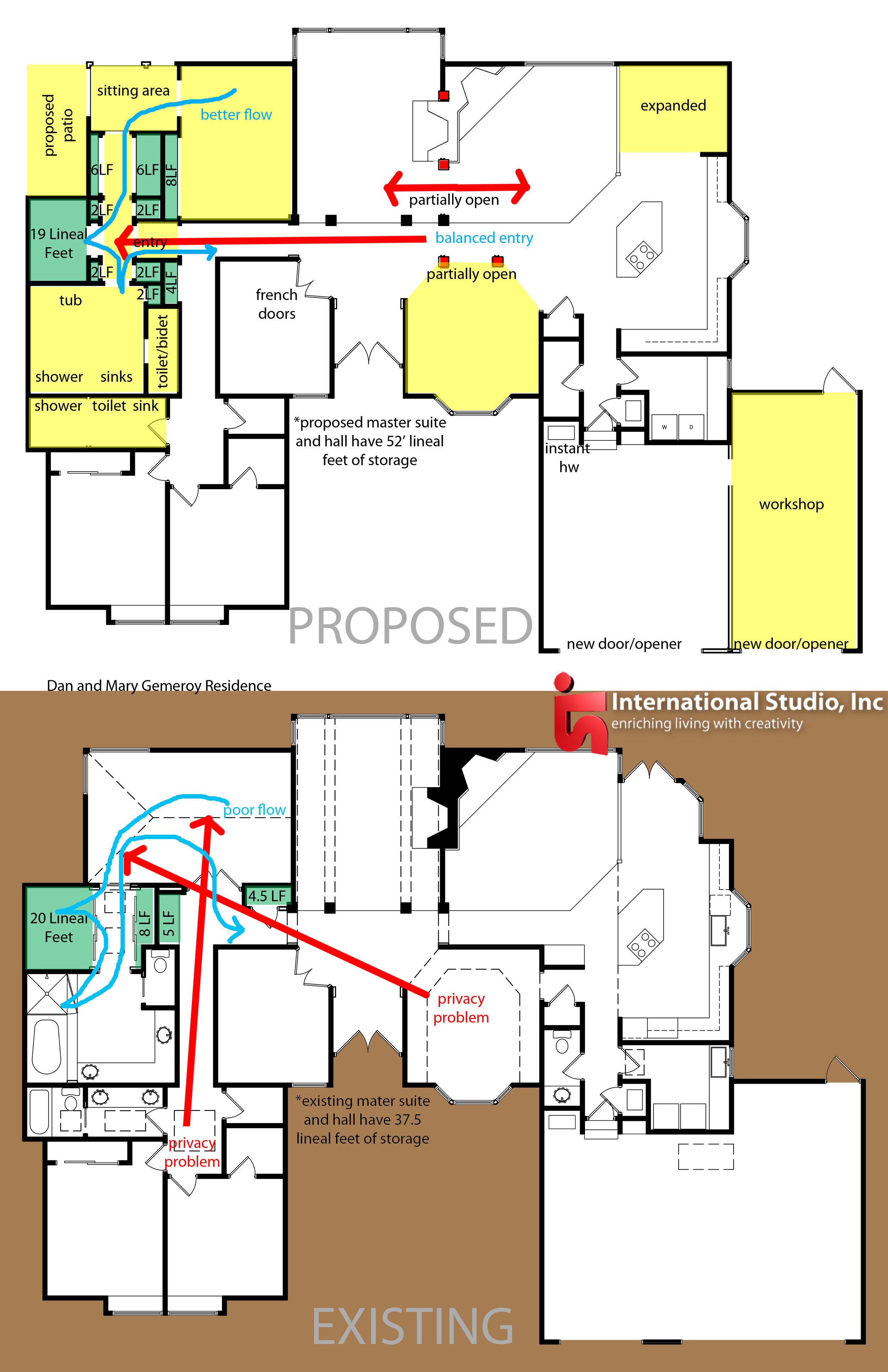
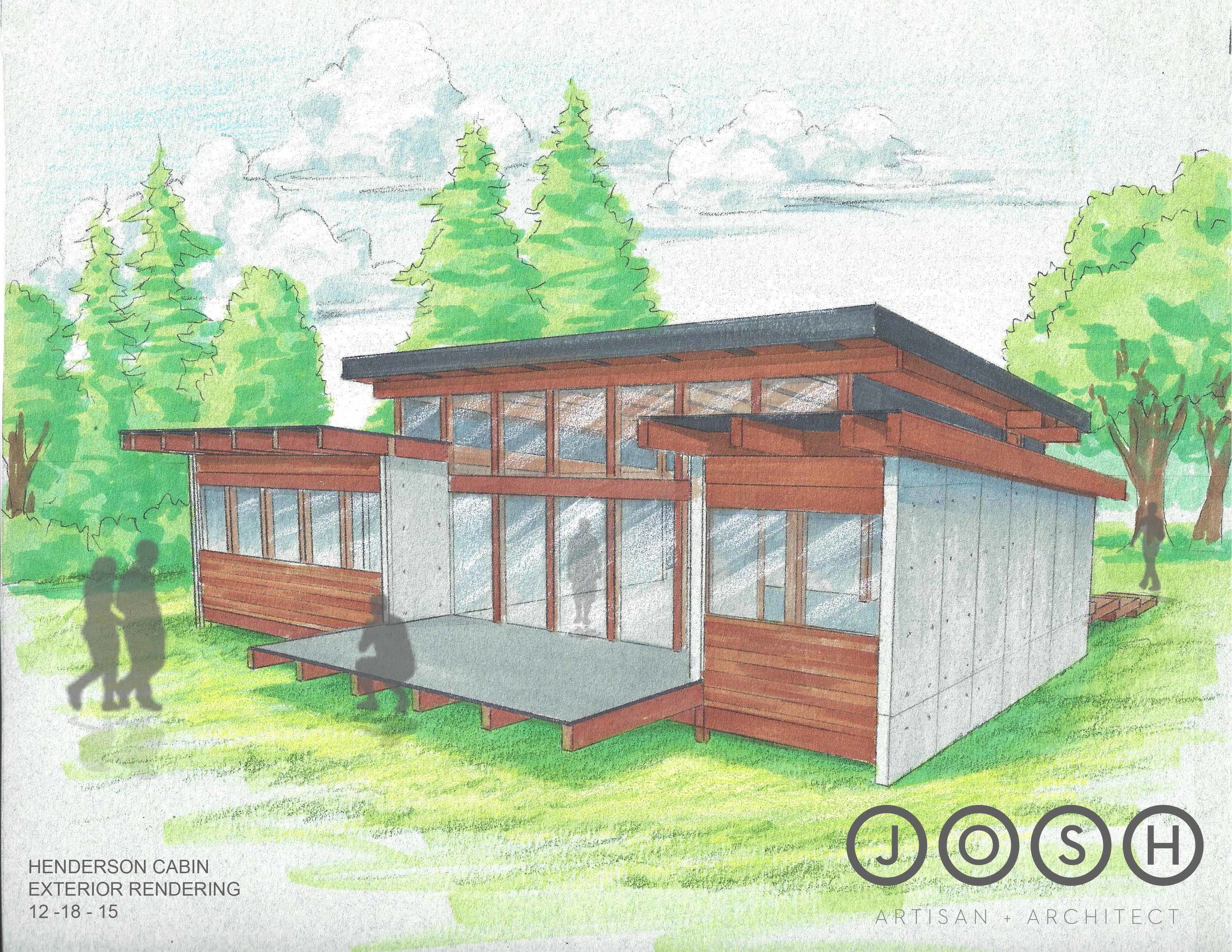
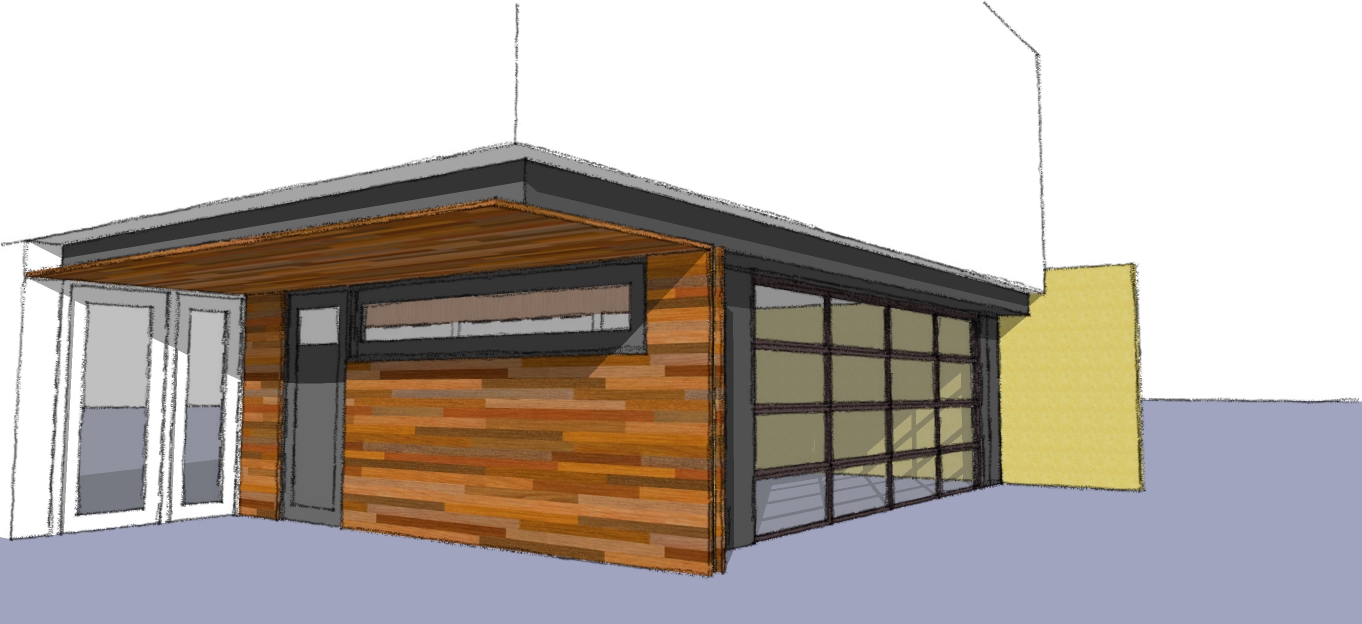
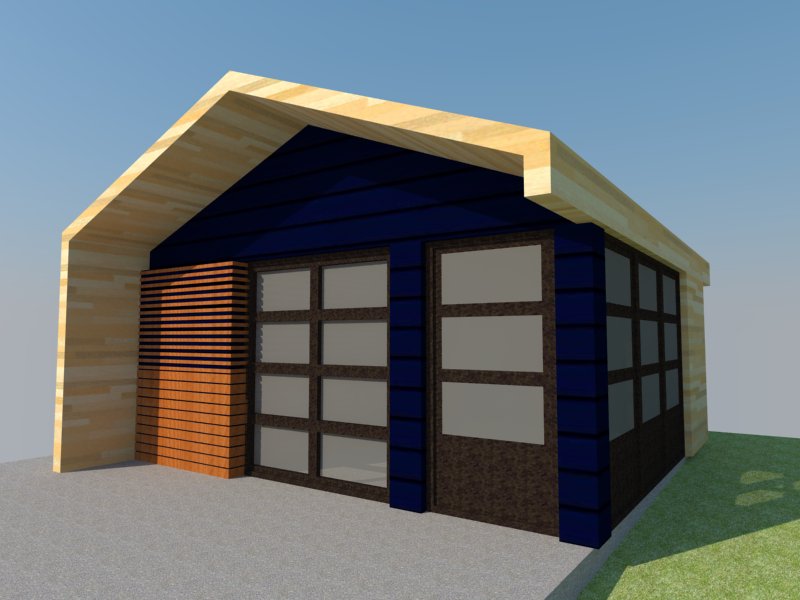
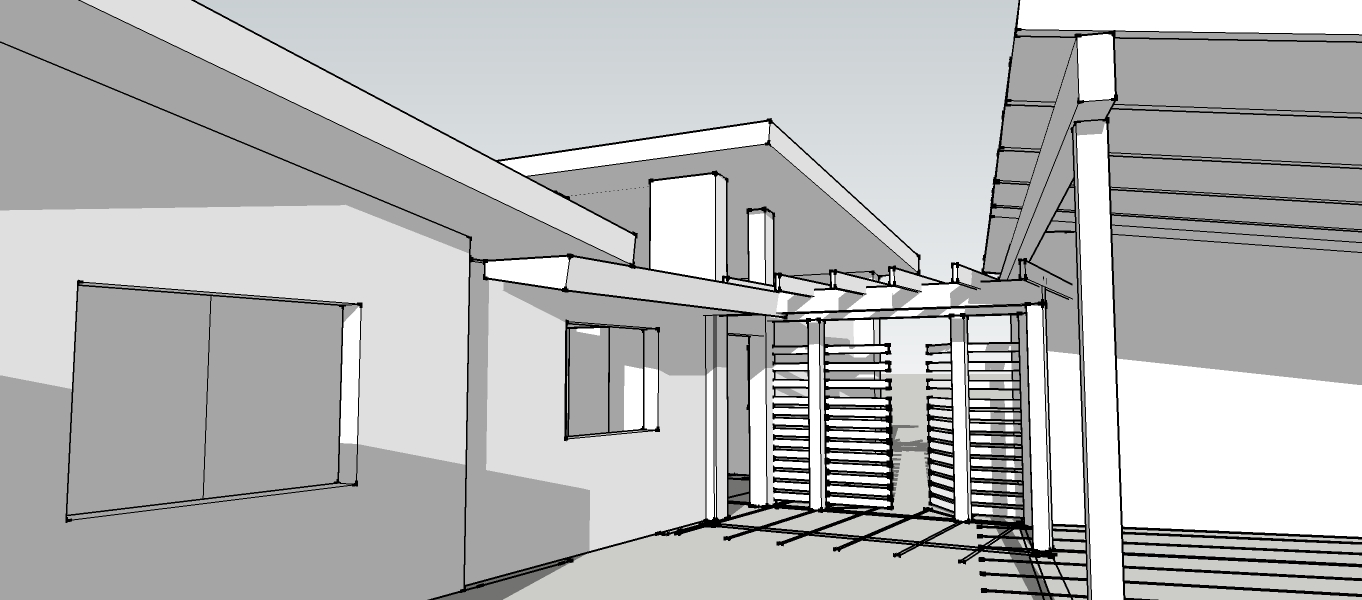
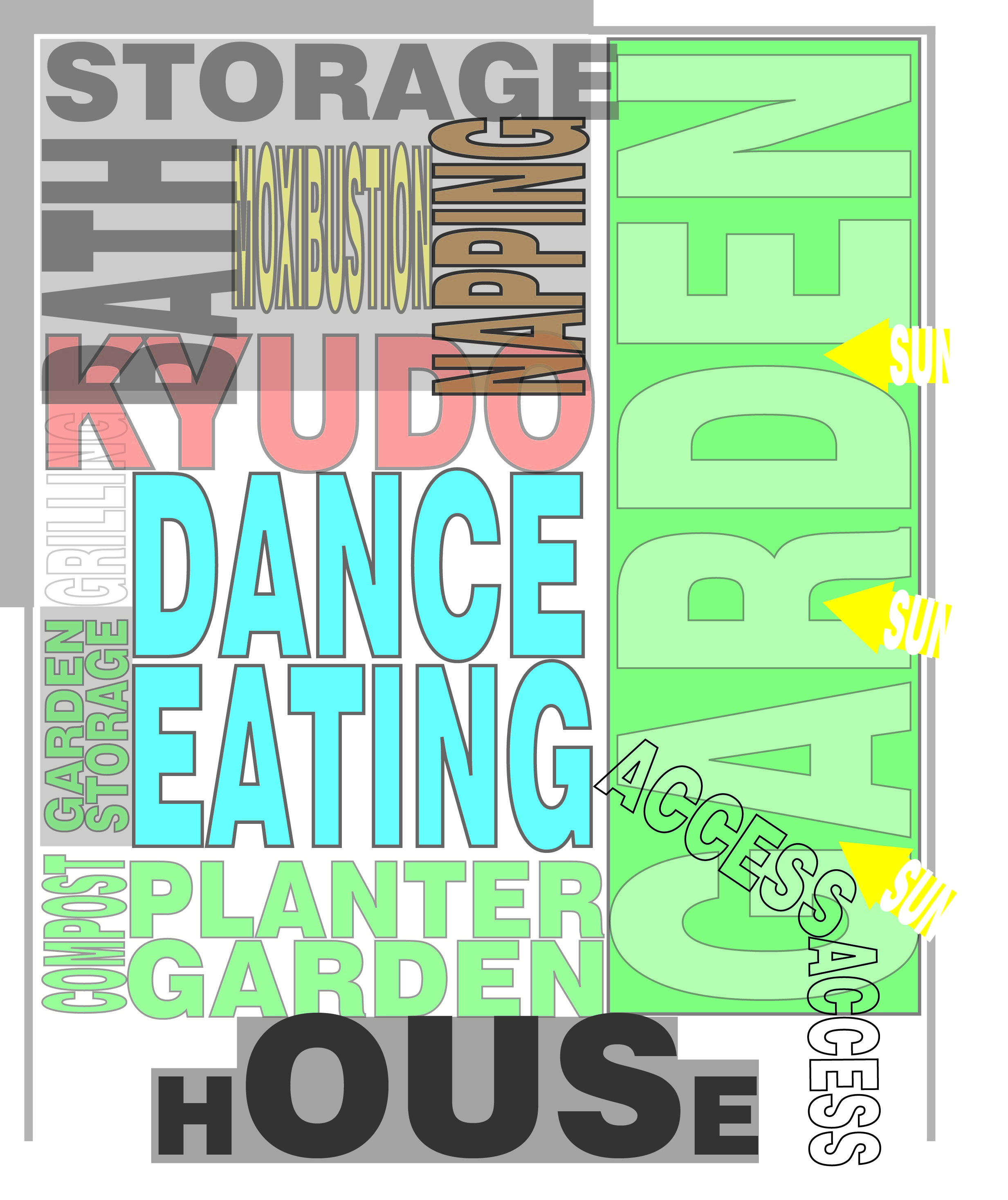
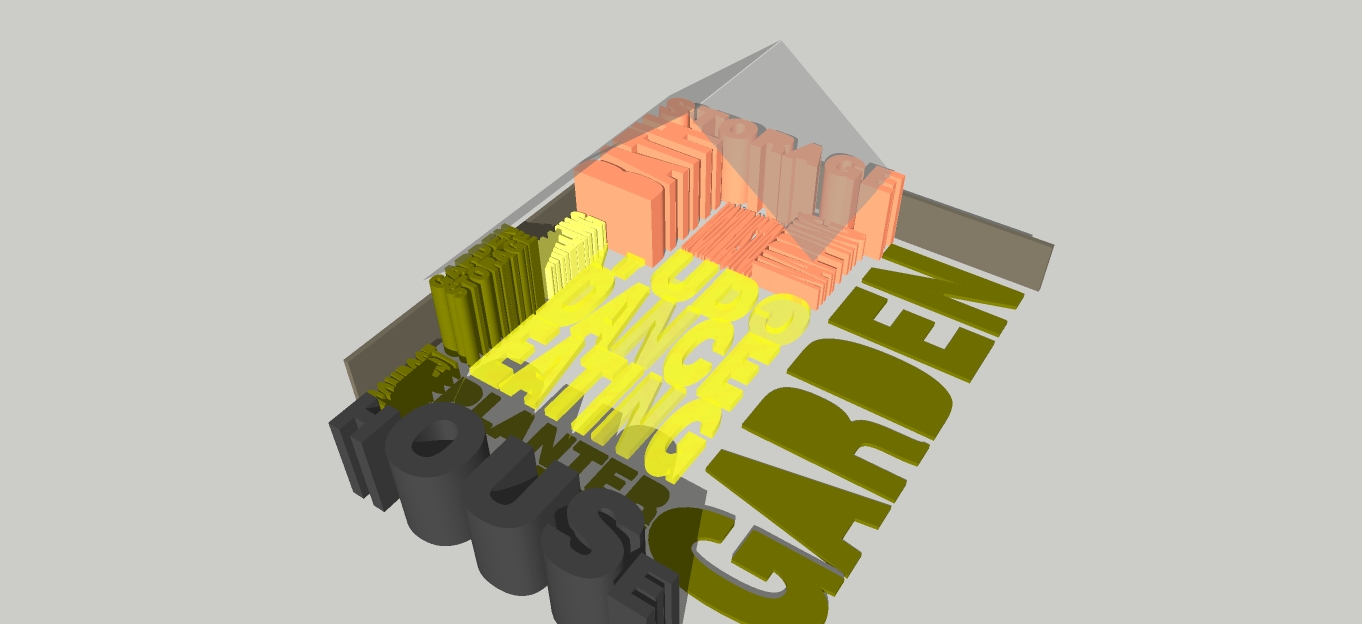
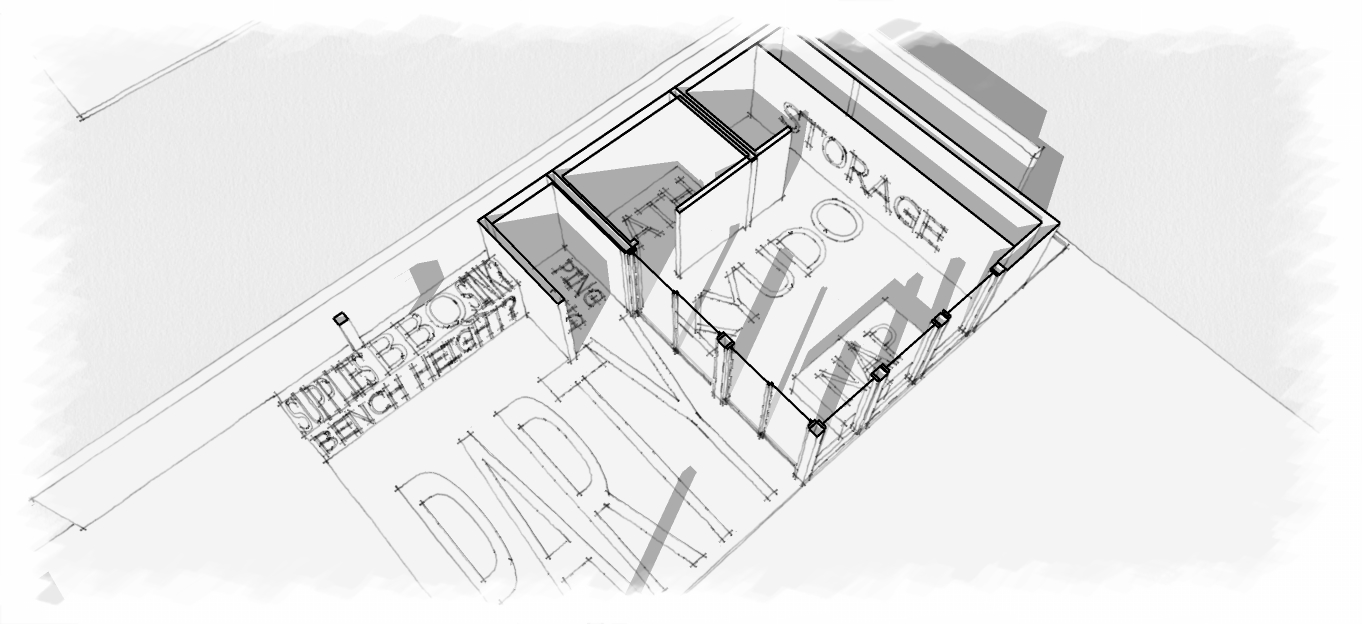
2015 was a busy and fun year. Each year has consistently been busier than the previous, and the project typology has been increasingly more exciting. We also rebranded the company from International Studio to Josh PS to focus on our more personable and friendly services. Here's a list of what happened in 2015 (in no particular order). We have attached some design process sketches below, and we will work on getting photographs of the finished work sometime soon. 

  1. Boat House on Lake Sammamish 

  2. Renovations for Seapine Brewery

  3. CKO Kickboxing Studio

  4. Design Within Reach - Seattle

  5. Faith Tabernacle Ministries Feasibility

  6. Frog Legs Children's Cooking School

  7. The Salvation Army William Booth Center Renovation

  8. The Salvation Army Pike Street Renovation

  9. The Salvation Army Warehouse Renovation

  10. The Salvation Army Lobby Renovation

  11. The Salvation Army Men's Center Renovation

  12. The Salvation Army Temple Corps Renovation

  13. Green Lake Residence

  14. Clay Residential Addition 

  15. West Seattle Basement Apartment Conversion

  16. Josh Remodeled His Own Basement

  17. University District Deck and Outdoor Space 

  18. Mother-in-Law Suite Elevator Addition

  19. Herban Feast Foundry Commercial Kitchen

  20. Herban Feast Foundry Corporate Offices

  21. Renton Residential Workshop and Deck Addition

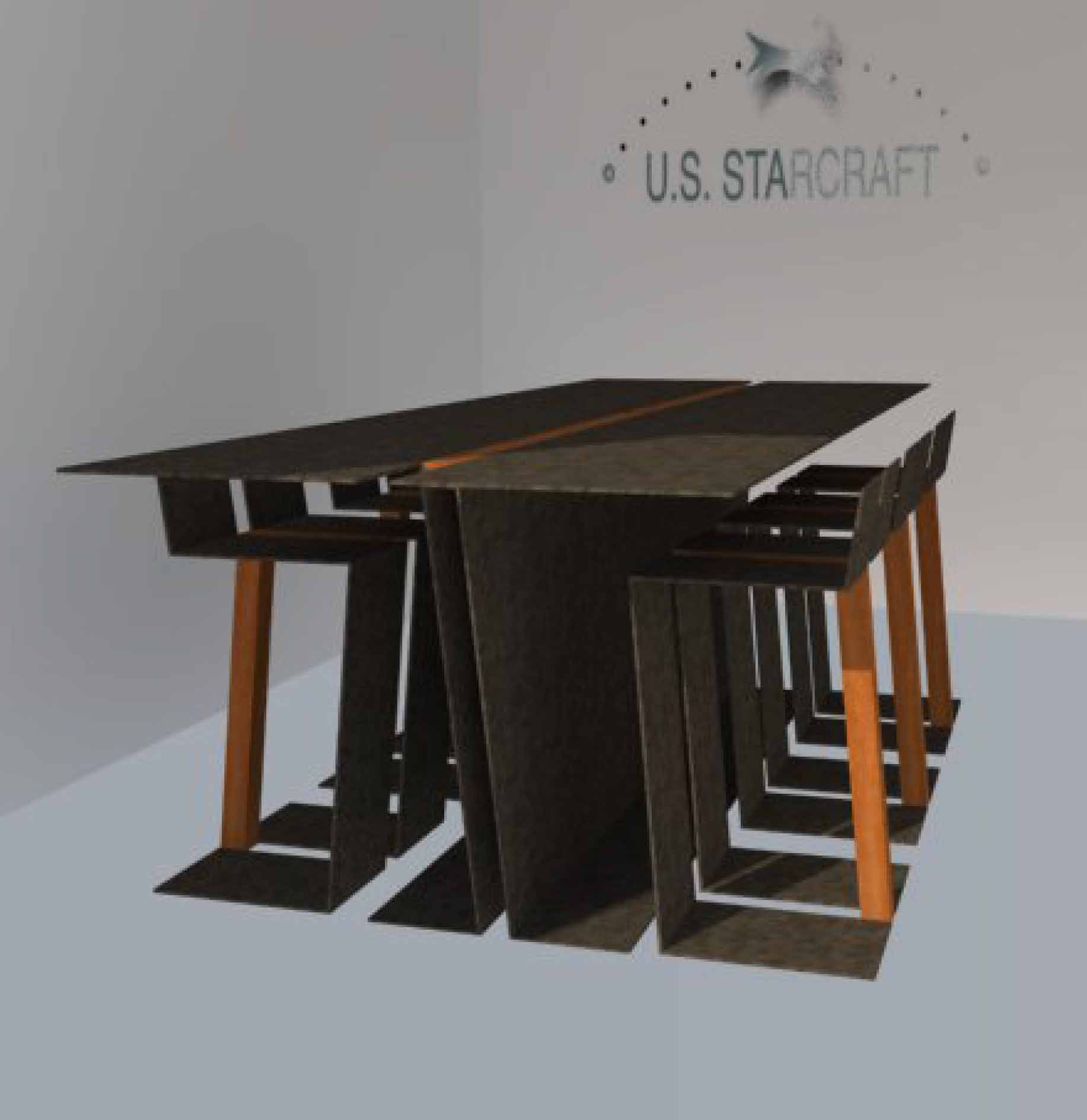
  22. US Starcraft Conference Room

  23. Kirkland Modern Residential Stair

  24. Tiger Mountain Garage

  25. West Seattle Residential Canopy and Outdoor Space

  26. West Seattle Tudor Upper Floor Addition

  27. Steep Slope Residence Remodel

  28. Whidbey Island Cabin

  29. Neumos Green Rooms

  30. Mayer Accessory Dwelling Apartment and Garage

  31. Kirkland New Residence and Guest House

  32. Walnut Residence Addition and Renovation

  33. SODO Bakery Renovation

  34. Lake Washington Residence Renderings

  35. Bellevue Renovation and Mother-in-Law Addition

  36. Kirkland Residence Deck and Outdoor Space

  37. West Seattle Residence Deck and Outdoor Space

  38. Kirkland Office and Apartment Building

  39. Mill Creek Residence Remodel

  40. Sammamish Deck and Outdoor Kitchen

  41. San Juan Cabin

  42. West Seattle Upper Floor Addition 1

  43. West Seattle Upper Floor Addition 2

  44. Green Lake Art Studio

  45. Everguard Insurance Renovation

If you’d like to learn more about our design process, visit www.josharch.com/process, and if you’d like to get us started on your project with a feasibility report, please visit www.josharch.com/help



5 Steps to Succeed as an Architect by S. Joshua Brincko

If you can design it, you should be able to build it.

If you can design it, you should be able to build it.

Here's a list from my own experience as an architect describing what it takes to be successful in this industry. I don't think these are the only things an architect can do to be successful since everyone is different, but these are the things that I've identified that play key roles in my success in order of importance:

1. Construction Experience: The single most important thing (I believe) for any architect to possess is a strong background in construction. Think about it. We are in the construction industry, and we produce drawings which explain what to build and how to build it. If you don't know how to build anything, how could you possibly come up with a valid idea? There are a ton of poser architects out there that come up with a fanciful idea and push it over to others to "figure out." This sounds good, but it doesn't work. If an architect cannot communicate an idea, how can that idea possibly be articulated with 100% accuracy from the designer's brain, to an engineer's brain, to an engineer's drawing, to a builder's interpretation of that drawing, to the finished building? It can't! It is imperative that the architect understands construction materials, methods, and sequencing. I was fortunate to grow up with a dad that could fix anything and a next-door-neighbor who ran a construction company. They taught me everything I needed to know to have a good solid sense of ingenuity. I have further developed my skills over the years by building some of my own projects I've designed as well as some personal items around the house.

2. Solid Design Background: Learning from the best is key. I think some people might be born with a better sense of design than others, but I don't think anyone is born with a complete set of skills. Design is a trade that takes more than a lifetime to master. It is a process of coming up with a very complicated idea and building it with very expensive labor and materials to see how well the idea works. Then the architect can monitor people's experiences after they use the building for several years. This can also be compared and contrasted to other projects the architect has designed and used. After all of these experiences, the architect has something to base his or her future design decisions on. It is simply not possible for someone to be born with this experience. It must be either acquired from another architect or acquired from years of personal experience. I have had the fortunate opportunity to learn from the best starting at a very young age. Mark Hanahan started me as an apprentice in his architectural firm designing commercial buildings while I was still a teenager which gave me a head start on my contemporaries who did not get this experience until they were well out of college. Stuart Silk and Geoff Prentiss both gave me opportunities later in my career to design some very prominent projects for some very prominent people. These experiences gave me the opportunities to be exposed to so many different design problems, design advice, and design solutions. I trusted their mentoring and soaked it all in like a sponge. 

3. Relentless Work Ethic: I work extremely hard. My parents taught me this. They instilled in me that I can only earn things by working for them, and nobody will ever do that for me. I took that to the next level and simply started doing the things I wanted to do, so I could be who I wanted to be. Although I was told I was too young to have the experience necessary to take the state board exams to become a licensed architect, I took them anyway and passed them all on the first try. I knew I had the experience, and I read a stack of books taller than myself to cram all the facts and figures necessary to succeed. I am so excited to design buildings that I attack all of my projects similar to the way my kid runs to the slide on a playground. After interviewing a client and visiting a building site, steps 1 and 2 listed above kick in, and I know exactly what needs to be designed nearly immediately. Next I sit down at my desk a draw without stopping until the idea is properly depicted on paper, so a client can understand. In a matter of hours, I solve complex problems. I never really have "deadlines" because I do the work so far ahead of any expected finish date that a deadline is never actually set. I implement the same strategies with running the business and running my household. By solving problems early, this enables me to have a higher degree of quality control by having the time to consider and evaluate additional features AFTER implementing constructive feedback from clients and builders. 

4. Network of Good Builders, Clients, and Friends: Throughout the course of my practice, I have impressed a lot of people through steps 1, 2, and 3 listed above. These people call me for design help, and they refer me to their friends, colleagues, and family when they need help. It's a cycle that doesn't stop unless I stop succeeding at steps 1, 2, and 3. 

5. Diversified Sources of Income: It is very helpful for business owners in any industry to diversify. The construction industry has upturns and downturns. Designing buildings is my passion, and I don't want the ups and downs of the economy to shut me down. I plan for that by always having a backup plan. I teach college courses, I own/manage a rental property, I conservatively invest and save my income, and my wife earns an income with benefits. These income sources combined nearly guarantee I won't be out on the street next time the economy crashes. More importantly, this comfort gives me confidence as a designer to push the boundaries and innovate rather than defaulting to boring, repetitive design solutions.

If you’d like to learn more about our design process, visit www.josharch.com/process, and if you’d like to get us started on your project with a feasibility report, please visit www.josharch.com/help
What IS Modern Architecture, Really? by S. Joshua Brincko

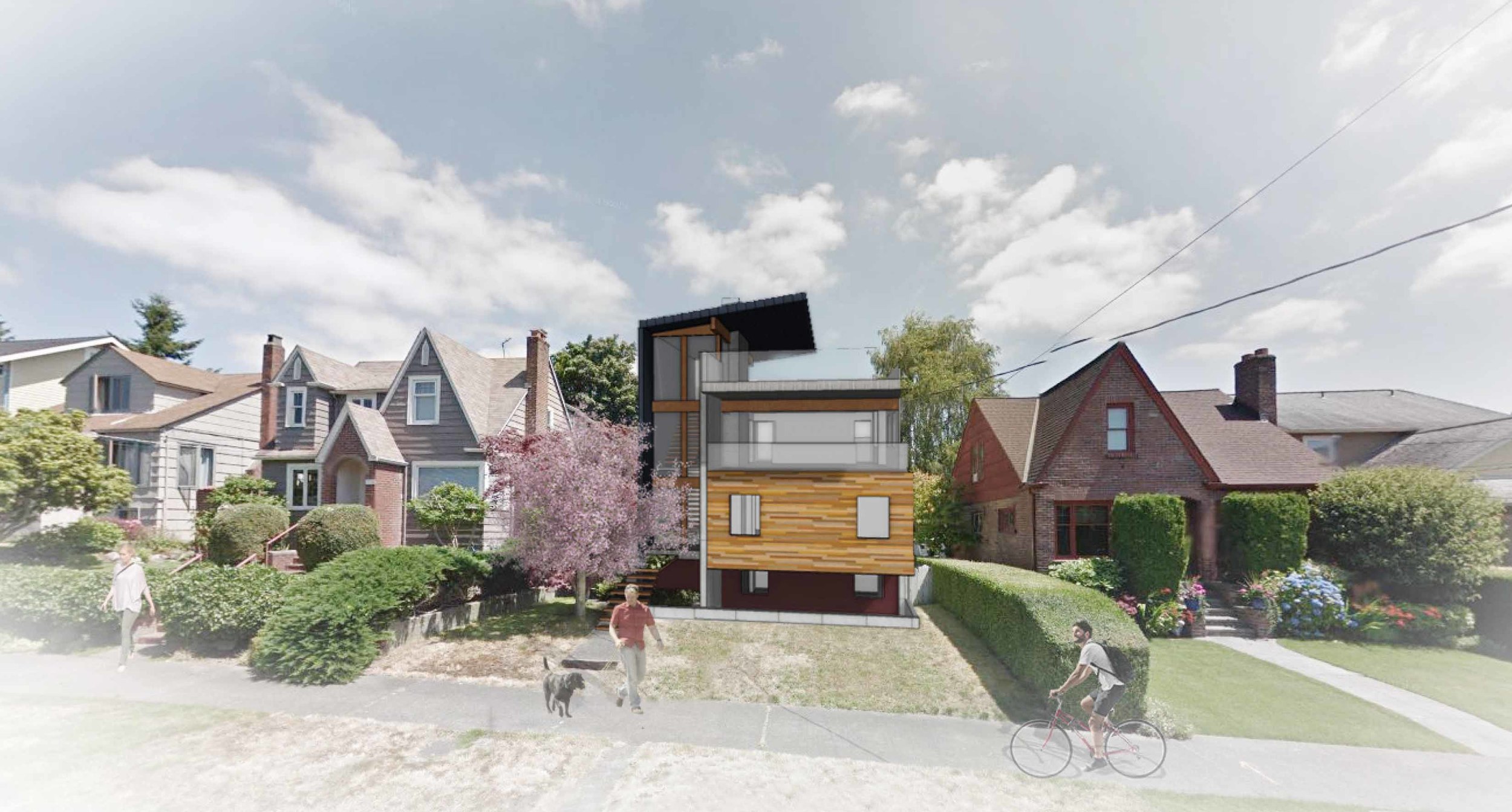
These clients love their modern home. They asked for a traditional house.

These clients love their modern home. They asked for a traditional house.

Modern, traditional, contemporary, shabby-chic, transitional, post-modern, craftsman, etc. These are all "styles" of architecture. At the start of most projects, the client asks for a certain style. To be honest this drives me a bit crazy because styles for a building are quite dishonest. With fashion, you can use a style to convey a message by your appearance today and a new style tomorrow (or even a new one tonight). With architecture, style is like committing to the same outfit for life. You can't just easily change the style of your building like your wardrobe. Like fashion styles, architecture styles originated from the context of their time and place. The materials and climate available in a certain region dictate the look of the building or the wardrobe. With the world getting smaller due to advances in communication, science, and technology, anyone in the world can pretty much get any material they want. This enables people to choose a style that may not necessarily be appropriate for their region.

Architectural style made a major shift after the last World War. Traditional architecture had many sub-categories like art nouveau, rococo, colonial, etc. The thing all these traditional forms of architecture have in common is ORNAMENTATION. Ornamentation is the decorative part that serve no purpose other than for aesthetics. We love seeing ornate renaissance architecture because the ornamentation is so impressive. The countless hours that went into carving stone and woodwork is amazing...and outrageous. In today's terms, it would almost be considered slavery to ask someone to spend their life carving squiggly patterns on a door for a rich family's guest house. In these earlier times, the separation between the upper class and lower classes was much more distinct than today. People just don't stand for "serving their master" anymore in our democratic society. As a result of this political change, the playing field has been leveled, and we are less likely to spend our hard-earned money on a craftsman to spend years of his life carving a family crest above our door. As economics changed during times of war, ornamentation became revered as an outrageous undertaking when there were families that couldn't even afford food. A design school called the Bauhaus in Germany noticed this trend, and they made the idea of functional, simple design popular for the masses. It celebrated the idea that "form follows function." This means, if the architecture solves the functional goals, the form (appearance) will look correct. Simple, boxy objects with straight lines tend to solve design problems the best, and this developed into an "International Style." It is a style that is appropriate anywhere in the world since it responds to actual design parameters instead of cultural preferences. Since that time, simple architecture designed to best fulfill the functions has become known as modern architecture. 

I find modern architecture to be inspiring. A building designed to make living easy does just that - it makes it easier for people to live and do the daily things they need to do. This enables building occupants to be inspired by their surroundings instead of living within decorated boundaries that may or may not pertain to their particular mood, style, activity, or event that day.

Modern architecture is designed to allow the building to respond properly to the daylight of the sun as it travels from east to west throughout the day. 

Modern architecture frames the views outside while providing privacy to the private spaces within the building.

Modern architecture provides obvious patterns of flow and logical arrangement of spaces.

Modern architecture resolves everything in the best way possible: where to charge your cell phone, where to put your keys, where to put the trash/recycling, where to store your shoes, charging your electric toothbrush without seeing the wire, controlling the amount of ventilation/insulation, uses materials appropriate for the purpose of a space, makes it easy to find the front door but not easy for anyone but you to get into the front door, etc. 

Modern architecture is easier to build and maintain.

Modern architecture is not a style - it simply responds to the goals of the building occupants and the building site without letting a style compromise the answers to design problems.

If you’d like to learn more about our design process, visit www.josharch.com/process, and if you’d like to get us started on your project with a feasibility report, please visit www.josharch.com/help
Architect of the Month by S. Joshua Brincko

Mighty House Construction honored Josh as "Architect of the Month." Mighty House is a Seattle-based general contractor specializing in sustainable construction from small remodels to whole-house additions and renovations. Josh has worked and volunteered with Mighty House for several years with Sustainable West Seattle.

Check out their blog article here: http://mightyhouseconstruction.com/blog-2 

If you’d like to learn more about our design process, visit www.josharch.com/process, and if you’d like to get us started on your project with a feasibility report, please visit www.josharch.com/help
Mighty House Construction

Mighty House Construction

7 Things You Can Do To Impress Your Architect by S. Joshua Brincko

1. Refer to simple shapes as "Forms."

Architects get tons of training in spatial relationships and how they affect people. We were trained to call basic rectangles, squares, circles, amoebas, etc, a "form." Architects simplify most things to their most basic parts (or forms) because simple things tend to work better. A door is a form, a door knob is a separate form. A wing of a hospital is a form, and the entry canopy to the hospital is a separate form. Each form serves a unique purpose, so it has a distinct shape and material.

2. Refer to window patterns as "Fenestration"

I know some German and Italian, so I know "fenster" and "finestra" (respectively) means window. I'm not sure why we say fenestration when we discuss the patterns, shapes, and sizes of windows, but it must have derived from these languages somehow. You can say, "I like how the fenestration of the living area contrasts but still relates to the adjacent siding pattern."

3. Refer to spaces as either "Public" or "Private"

Architects distill most things down to their basic properties to make them easy for clients to understand, contractors to build, and occupants to use since simplicity tends to work really well. We often categorize spaces as either "public" or "private" spaces. Sometimes we also use a category called a "transitional" space to delineate the areas between. Bedrooms, bathrooms, and storage rooms tend to be private, while living rooms, dining rooms, family rooms, and kitchens tend to be public. Grouping all public spaces in one area and all private spaces in a separate area enables easier material choices, functionality, and perception of different spaces. For example, bedrooms and bathrooms tend to be private and therefor require solid materials. Kitchens and living rooms tend to be more public and therefor more open and transparent materials are suitable. Grouping these types of rooms together enables the glassy areas to be in one portion of a building and the more closed-in spaces in another portion. This enables the building occupants to inherently understand where they are supposed to be as a visitor. This also enables groups of open spaces to be collectively oriented toward the portion of the property that gets the most natural light while the private spaces, which typically need less natural light, can be collectively located elsewhere.

4. Refer to walls as "Solids" and windows and doors as "Voids"

Simple is good because simple tends to work really well. Solids and voids are the basic elements of architecture. They create contrast. Contrast creates a good building, a good meal, a good party, a good anything. Would you enjoy a meal where every single thing on the plate was brown and tasted the same? Doubtful. Solids in architecture are walls, floors, ceilings, columns, beams, cabinetry, etc. Voids are glass, doorways, or other openings. Put a window between a wall and a column, and you've create a contrast between the two solid elements. Think of the window as: "not a window." It's just a void. The void is there simply because, the floor, walls, and ceiling exist around it. So solids make voids. The contrast can be enhanced by making the void larger, and this creates more dramatic, interesting, and light-filled architecture.

5. Talk shit about the building department

Architects are highly trained, extremely knowledgeable in all facets of construction, and have all the best intents for their projects. Staff at the building department are often like the employees you encounter at the DMV when you try to renew your license. They treat you horribly, and they think you owe them something. They also implement asinine requirements like putting a construction fence around a tiny shed to prevent debris from washing into the neighbors' yards while repairing it. For these reasons, architects love to "dis" the building department and share horror stories of similar encounters. It's like a support group for abused designers.

6. Ask your architect to spend an hour being creative on something specific

Architects often get stuck doing technical drawings and project management, and the creative parts of the job tend to get overlooked due to tough schedules, budgets, codes, etc. If you're spending a ton of money on your building, it makes a lot of sense to take a step back and ask your architect to get creative for a minute. Architects are inherently creative thinkers, and they are likely to come up with an idea worth considering before you go down the ordinary path of typical construction,

7. Talk about Mies Van Der Rohe or Tadao Ando instead of Frank Lloyd Wright

Frank is a household name, and he did some great work. BUT, there are so many more great architects out there that most other architects idolize much more than Frank. Ando and Mies are two of my favorites. They are known for their simplicity of forms and honesty in use of material. You can read about them on Wikipedia: Mies and Ando

If you’d like to learn more about our design process, visit www.josharch.com/process, and if you’d like to get us started on your project with a feasibility report, please visit www.josharch.com/help